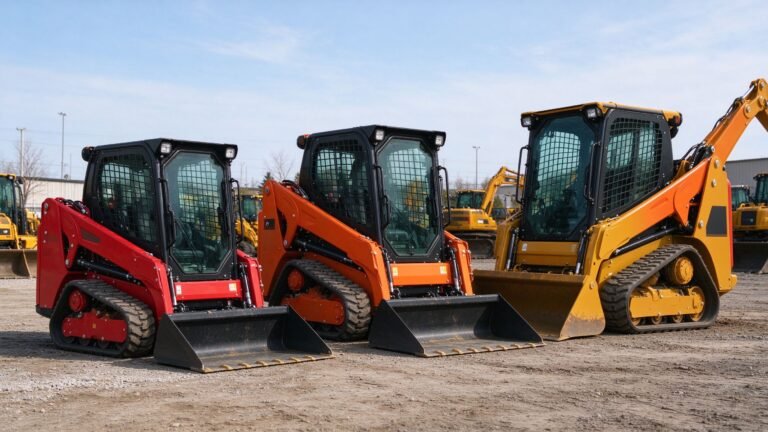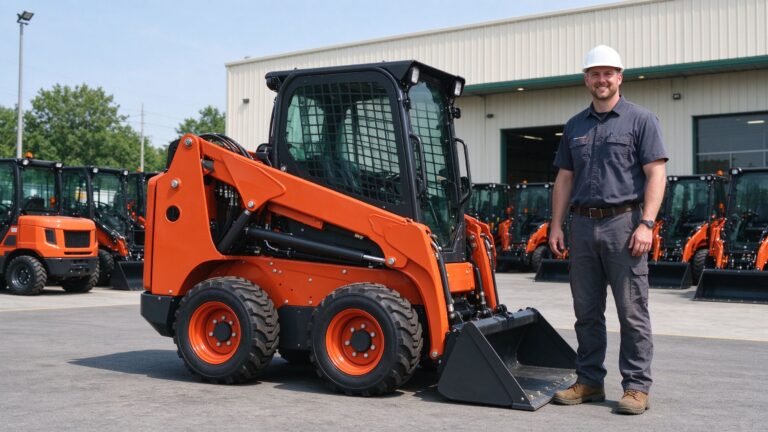
Rated Operating Capacity Skid Steer: Practical Guide
Rated Operating Capacity Skid Steer: The Practical ROC Guide
If you are shopping for a compact loader, the rated operating capacity skid steer buyers quote on a spec sheet is not a suggestion. It is a safety limit. Choose a machine whose rated operating capacity skid steer operators can actually rely on, and you protect both your crew and your investment.
This guide explains what rated operating capacity means, how manufacturers calculate it, why the 50 percent tipping-load rule matters, and how to match the number to the work you actually do. By the end, you will read any spec sheet with confidence instead of guessing whether a 400 kg machine can really lift your load.
What Is Rated Operating Capacity on a Skid Steer?
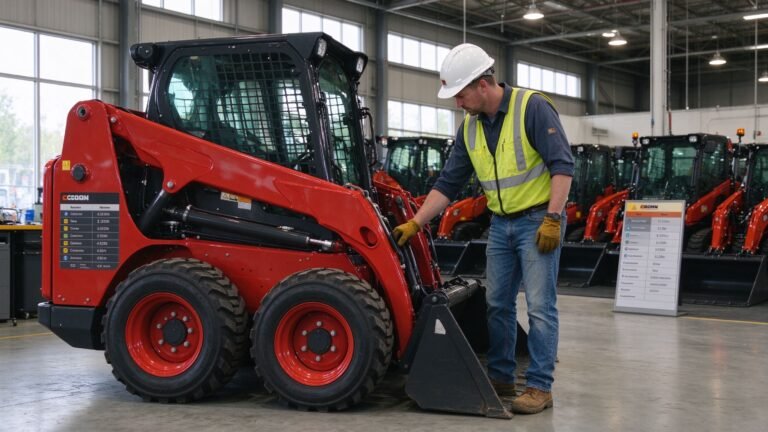
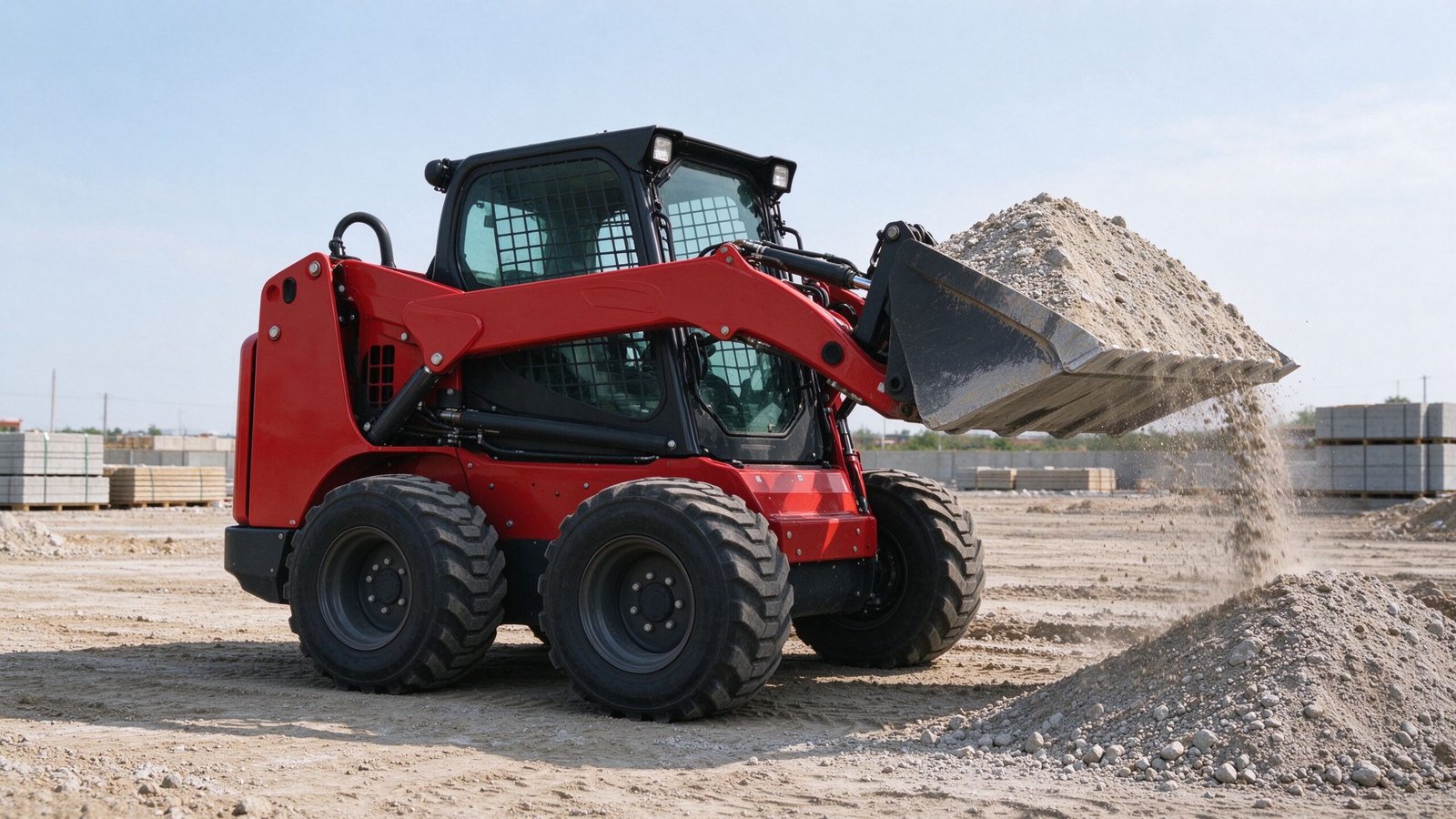
The rated operating capacity skid steer buyers see listed is the maximum load a manufacturer certifies the machine can safely handle in a stable, controlled lift. It is not the absolute heaviest bucket the arms can possibly raise off the ground. It is a de-rated, tested number built around a built-in safety margin.
In practice, rated operating capacity covers the combined weight of the attachment plus the material inside it. A heavy grapple, a full bucket of wet gravel, or a loaded pallet of cinder blocks all eat into that capacity. If you routinely exceed the number, the machine can tip forward, the hydraulics can overheat, and the operator faces a real accident.
The 50 Percent Tipping-Load Rule
Understanding rated operating capacity skid steer buyers rely on starts with tipping load. Tipping load is the weight at which the machine actually begins to tip forward during a controlled lab test. Rated operating capacity is set at 50 percent of that tipping load.
That 50 percent rule exists for safety. It means the machine keeps a built-in buffer before it reaches the point where gravity wins. If a loader tips at 800 kg in testing, its rated operating capacity will typically be listed at 400 kg, not 800 kg. That gap is not the manufacturer being conservative; it is the difference between a stable lift and a tip-over on an uneven jobsite.
Why manufacturers de-rate so heavily
Tilt the machine on a slope, drive over uneven ground, or carry a load high in the air, and stability drops fast. The 50 percent margin absorbs those real-world conditions. Never try to run a machine at its tipping load on your own job site, and never assume a slightly heavier load is “close enough” when the spec says otherwise.
How ROC Affects Attachments and Lifting Height
Rated operating capacity changes with two things buyers often forget: the attachment and the lift path.
First, the attachment itself weighs something. A heavy pallet fork frame, a cold planer, or a brush cutter subtracts from the available lift. If your rated operating capacity skid steer is 400 kg and your attachment weighs 120 kg, you only have 280 kg left for material. Always price the attachment weight into the load before you trust the spec.
Second, capacity is usually measured at a standard position, often at ground level or at a defined lift point. As you raise the load, the center of gravity shifts and effective capacity drops. Always check the loader’s rated capacity at the lift height your job actually requires, not just at the lowest bucket position.
How to Spec the Right Rated Operating Capacity Skid Steer
Start by listing your three most demanding jobs. What is the heaviest attachment you run? What is the heaviest material you lift in a typical shift? Add the attachment weight to the load weight, then choose a machine that covers that total with comfortable headroom.
A common rule of thumb: buy slightly more capacity than you think you need. A machine that feels “just enough” on day one becomes undersized the moment you add a heavier attachment or take on a new contract.
Xinfa compact loader capacity examples
Xinfa publishes clear rated operating capacity figures across its compact range so buyers can match machines to tasks. The Xinfa R750 offers a rated load of 400 kg with a 0.15 m3 bucket, suited to heavier material handling. Smaller work is covered by the Xinfa X360 at 300 kg rated load and a narrow 980 mm width, ideal for tight access.
These numbers give you a real benchmark. Compare them against your heaviest planned lifts before you commit, and remember that the attachment weight comes off the top of the rated load.
Common Mistakes Buyers Make With ROC
The first mistake is comparing only rated operating capacity skid steer numbers across brands without checking how each one is measured. Check whether the figure includes or excludes the bucket, and whether it reflects radial or vertical lift. Two machines both advertised at “400 kg” may perform differently at full lift height.
The second mistake is ignoring machine weight and balance. A lighter machine looks nimble, but its rated operating capacity is capped by physics. The third mistake is forgetting future attachments. If you plan to add a breaker or auger next year, spec capacity today, not after the machine arrives.
Next Steps for Buyers
Once you understand rated operating capacity, the rest of the spec sheet gets easier. Learn how the number fits across size classes in our guide to skid steer loader sizes, then walk through the full decision process in our skid steer loader buying guide. If you are new to the category, start with the basics in what is a skid steer loader.
Frequently Asked Questions on Rated Operating Capacity
How do I confirm the rated operating capacity skid steer dealers quote? Ask for the certified test sheet; load-capacity test procedures follow consensus standards published by bodies such as ISO, so a serious exporter will state the rated operating capacity skid steer machines are tested to, in writing.
Does the attachment reduce the rated operating capacity skid steer buyers plan around? Yes. A fork frame, breaker, or bucket weighs into the same rated operating capacity skid steer operators rely on, so subtract tool weight before you lift material.
When you are ready to compare real machines, Xinfa publishes honest, certified specs across electric and diesel compact loaders, factory-direct for export worldwide. Contact the Xinfa team with your heaviest lift requirement, and they will match you to the right rated operating capacity skid steer for the job.