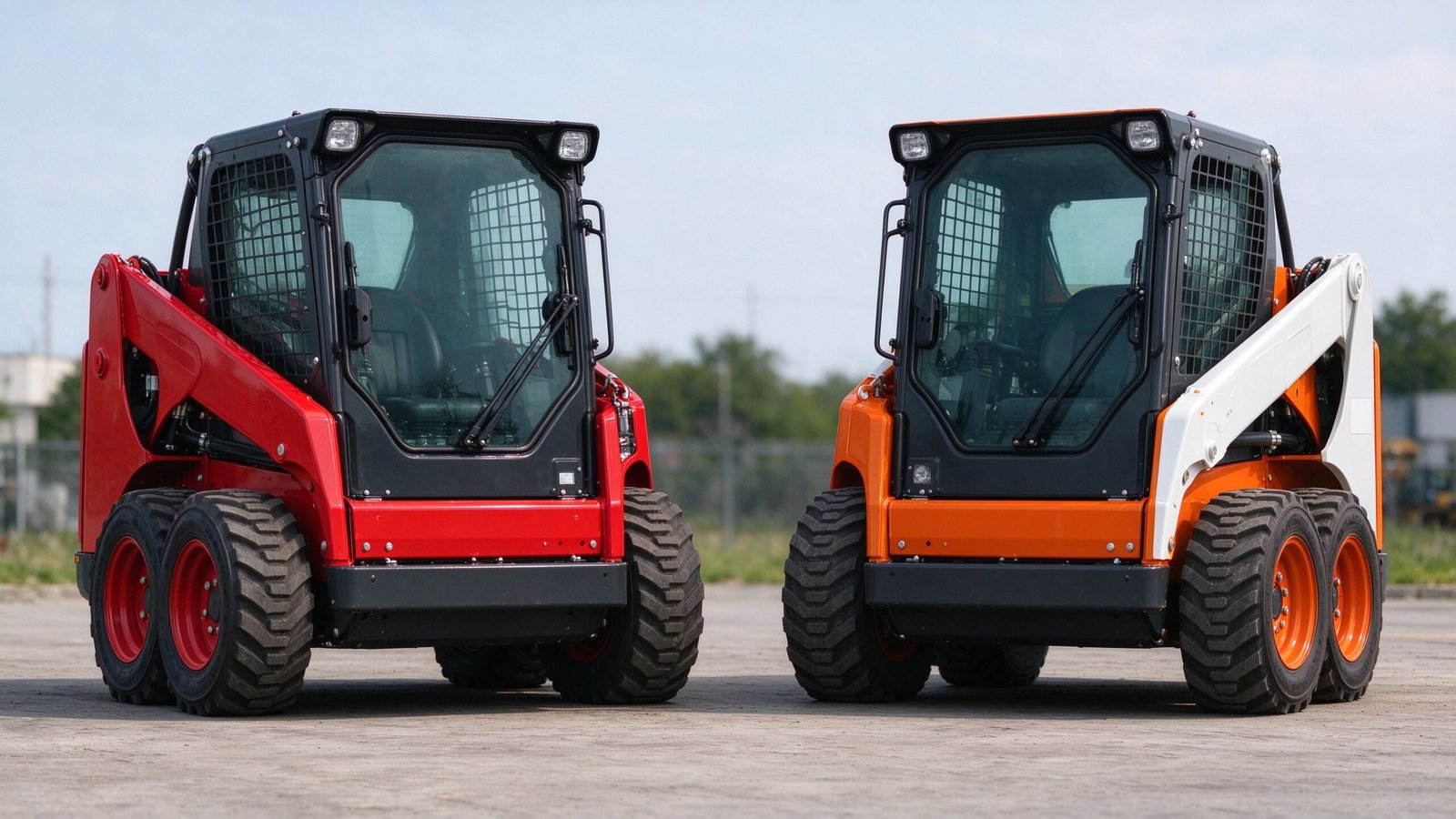
Kubota vs Bobcat Skid Steer: Which One Is Best For Your Business?
Kubota vs Bobcat Skid Steer Loader: Which Is The Best Choice For You?
Skid steer loaders are the backbone of construction, landscaping, farming, and orchard maintenance across North America. With powerful lifting capacity, flexible attachments, and compact maneuverability, these compact workhorses replace multiple heavy machines and cut labor costs for small contractors and large commercial fleets alike.
Two industry-leading brands dominate the skid steer market: Kubota and Bobcat. Each manufacturer builds reliable, high-performance loaders but follows completely different design philosophies. Bobcat invented the world’s first skid steer and leads in model variety and attachment compatibility. Kubota leans into Japanese-engineered fuel efficiency, smooth hydraulics, and low long-term maintenance costs.
If you’re a landscaping contractor, farm owner, demolition specialist, or equipment reseller, this full Kubota vs Bobcat skid steer comparison breaks down engine power, lifting capacity, hydraulic performance, cab comfort, maintenance, attachments, and total ownership cost to help you make a confident buying decision.
Brand Background: Kubota & Bobcat Skid Steer Core Strengths
Kubota Skid Steer Loader Overview
Kubota built its global reputation on durable, fuel-efficient diesel engines before expanding into compact construction equipment. Every Kubota skid steer leverages decades of proprietary powertrain engineering to deliver steady, low-fatigue operation for long work shifts.
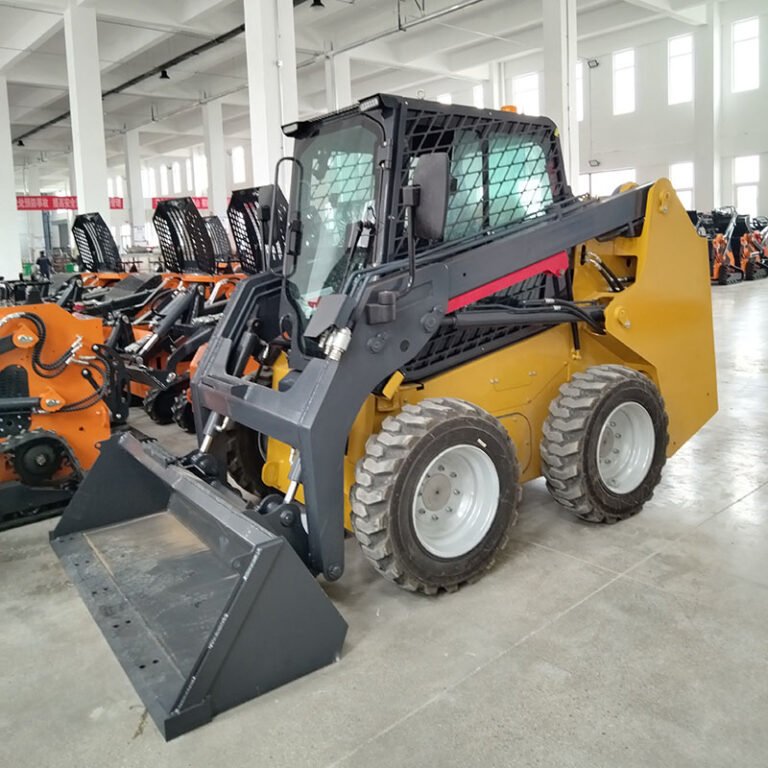
Kubota’s design team prioritizes universal usability for general-purpose jobs: landscaping, farm material hauling, sod transport, and light site prep. Instead of building dozens of niche specialized models, Kubota focuses on two versatile core lines (SSV65 and SSV75) optimized for 90% of common contractor workloads. Key highlights include ultra-smooth hydraulic pilot controls, excellent operator visibility, and easy-access service panels for quick maintenance.
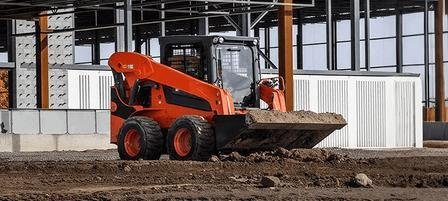
Kubota SSV Series Skid Steer Loader
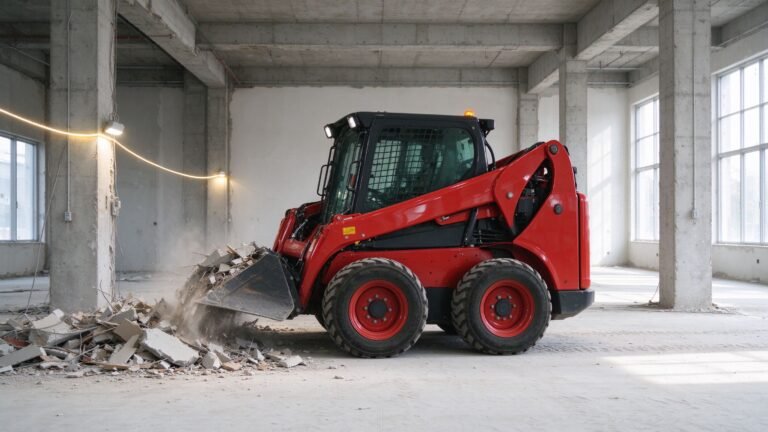
Bobcat Skid Steer Loader Overview
Bobcat is the original creator of the skid steer loader, holding unmatched brand recognition in the compact equipment industry. The brand’s biggest competitive edge lies in its massive product lineup and universal Bob-Tach® attachment system, an industry-standard quick-couple design compatible with hundreds of OEM and third-party work tools.
Bobcat manufactures skid steer models for every specialized job, from tiny narrow-frame S70 units for backyard landscaping to heavy-duty S86 loaders for demolition and forestry work. It prioritizes customizable cab controls, advanced digital dashboards, and maximum equipment versatility for contractors who switch attachments multiple times daily.
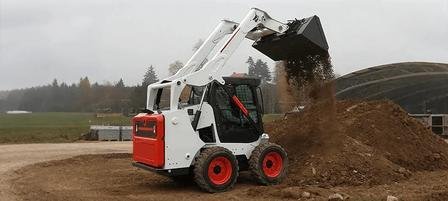
Bobcat Skid Steer Loader Working Site
Engine Performance & Fuel Efficiency Comparison
Engine reliability directly impacts your job site uptime and monthly fuel expenses—one of the largest recurring costs for skid steer owners.
Kubota Engine Design
All Kubota skid steers run on in-house manufactured V3307-CR-TE4 diesel engines paired with a Diesel Particulate Filter (DPF) emissions system. The DPF heats up rapidly during startup, reaching operating temperature in just 60–90 seconds to complete exhaust regeneration fast, minimizing idle downtime on cold mornings.
Kubota’s integrated engine-hydraulic layout optimizes fuel consumption for steady, low-speed precision work like grading, mulching, and orchard maintenance. Operators consistently report 10–15% better fuel economy than comparable Bobcat models during full-day landscaping shifts.
Bobcat Engine Design
Until 2015, Bobcat sourced Kubota engines for its skid steer lineup. Today, Bobcat equips its machines with Doosan diesel engines using a Diesel Oxidation Catalyst (DOC) emissions system.
The DOC system runs at higher operating temperatures during regeneration cycles, consuming extra fuel and creating longer idle wait times for operators. While Bobcat engines deliver strong peak horsepower for heavy lifting and demolition, daily fuel costs rise noticeably during extended regular operation.
Rated Operating Capacity & Work Weight Differences
The gap between Kubota and Bobcat becomes clear when comparing model sizing and lifting capacity strategies.
Kubota’s General-Purpose Lineup
Kubota restricts its consumer and commercial skid steer range to two primary models built for mainstream workloads:
- SSV65: Rated operating capacity of 1,950 lbs, ideal for light farm work, residential landscaping, pallet moving, and small-site material transport
- SSV75: Max lift capacity of 2,690 lbs, suited for heavy sod pallets, truck loading, and high-demand hydraulic attachments like augers and brush cutters
Kubota’s streamlined lineup eliminates confusion for buyers who only need a single multi-purpose machine for daily mixed tasks.
Bobcat’s Specialized Full-Size Range
Bobcat’s extensive model catalog covers every niche workload:
- Compact light-duty: S70 (760 lbs ROC) – fits through standard residential gates for backyard landscape jobs
- Mid-size general construction: S62, S64, S66 for standard earthmoving and hauling
- Heavy-duty industrial: S86 (3,500+ lbs ROC) – built for demolition, forestry mulching, and commercial site clearing
If your business relies on ultra-narrow access or extreme heavy lifting, Bobcat’s segmented lineup delivers a purpose-built machine for every unique project requirement.
Hydraulic System Smoothness & Precision
Hydraulic performance determines how easily operators complete delicate grading, leveling, and attachment work without fatigue over 8–10 hour shifts.
- Kubota Hydraulics: Standard pilot-operated control valves deliver ultra-responsive, vibration-free movement with zero extra adjustment required. Fine-tuning tasks like seedbed leveling or precise trench digging feel far more natural for new and veteran operators alike. Every button and joystick control sits within ergonomic reach to reduce arm strain.
- Bobcat Hydraulics: Powerful auxiliary hydraulics support high-flow attachments for mulchers and concrete breakers. Optional Selectable Joystick Controls (SJC) let operators switch control patterns, though many long-time operators find Kubota’s stock hydraulic response smoother for precision landscape work.
Attachment Versatility & Quick Coupler Systems
A skid steer’s total value hinges on how many different work tools it can run.
Kubota Quick-Attach System
Kubota’s universal quick-connect coupler works seamlessly with all standard industry attachments: buckets, pallet forks, post hole augers, landscape rakes, and snow blades. Tool swaps take under two minutes with no complicated adapters required for most common accessories, perfect for landscapers switching between hauling and digging all day.
Bobcat Bob-Tach® System
Bobcat’s proprietary Bob-Tach® quick-mount system supports the largest selection of attachments on the market, including specialty forestry mulchers, concrete grinders, snow blowers, and industrial grapples built exclusively for Bobcat frames. The only downside: third-party non-Bobcat attachments often require adapter plates to fit, adding extra cost for mixed-tool fleets.
Operator Visibility, Cab Design & Comfort
Long shifts demand comfortable cabs with unobstructed sightlines to avoid safety risks and operator burnout.
Kubota Cab Advantages
Kubota’s signature roll-up front door slides upward and stores overhead regardless of boom position, eliminating the need to fully lower arms to exit the cab. Sliding inner window tracks block dust and mud from jamming movement, while thin top grille fencing drastically improves upward visibility during truck loading. The entire cab layout centers on ergonomic joystick positioning to cut muscle fatigue during repetitive grading work.
Bobcat Cab Design Tradeoffs
Bobcat uses traditional outward-swing front doors that only open once the lift boom is fully lowered, slowing entry and exit during frequent site stops. External window tracks easily clog with dirt, grass, and construction debris, limiting visibility over time. Where Bobcat excels is customizable cab packages: adjustable suspension seats, digital touchscreen displays, and multiple control mode options can be added to match individual operator preferences.
Maintenance Access & Long-Term Ownership Cost
Repair downtime and replacement part pricing directly impact your machine’s total lifetime expense.
Kubota Maintenance Benefits
All critical service points (engine filters, hydraulic fluid ports, oil drains) sit behind a single wide-opening rear service panel, enabling fast fluid changes and inspections without disassembly. Most frame components bolt on instead of being welded, so damaged arms, brackets, and guards can be replaced individually at low cost instead of full-frame repairs. Kubota OEM and aftermarket replacement parts remain widely available at affordable prices across North America.
Bobcat Maintenance Notes
Bobcat machines offer straightforward fluid and filter access, but several structural handles and support brackets weld directly to the chassis. Collision or wear damage often requires costly full-section frame repairs rather than simple bolt-on part swaps. That said, Bobcat’s national dealer network stocks abundant OEM replacement parts for fast emergency service.
Best Use Cases For Each Skid Steer Brand
Choose Kubota If Your Work Includes:
- Full-time residential & commercial landscaping (grading, sod hauling, mulch transport)
- Small-to-medium farm and orchard maintenance
- Daily precision hydraulic tasks requiring smooth, low-fatigue controls
- Prioritizing low fuel consumption and minimal ongoing maintenance costs
- Single general-purpose machine to cover all daily mixed workloads
Choose Bobcat If Your Work Includes:
- Specialized demolition, forestry mulching, or heavy industrial site clearing
- Jobs requiring ultra-compact narrow machines for tight residential gate access
- Fleets that cycle dozens of unique specialty attachments daily
- Contractors who want fully customizable cab controls and digital monitoring dashboards
- Large-scale commercial construction with heavy lifting and debris removal
Final Verdict: Kubota vs Bobcat Skid Steer
There is no universal “better” brand—your ideal skid steer depends entirely on your daily job requirements and long-term cost priorities.
- Pick Kubota for reliable, fuel-efficient general-purpose performance, superior operator comfort for long landscape shifts, and cheaper ongoing maintenance for small-to-midsize landscaping and farm businesses.
- Pick Bobcat if you need a specialized machine for niche heavy-duty work, own a large attachment fleet, or require ultra-small frame skid steers for tight-access residential jobs.
Before finalizing your purchase, schedule an in-person demo of both brands to test hydraulic feel, cab visibility, and lifting capacity with your most frequent attachments.
Get Reliable Kubota & Bobcat Replacement Parts With MechAndLink
Whether you own a Kubota SSV series or Bobcat S-line skid steer, unexpected part failures halt your entire job schedule. At MechAndLink, we supply high-quality, fully compatible aftermarket replacement components for all Kubota and Bobcat skid steer loaders, including hydraulic filters, engine service kits, coupler parts, cab window components, and wear-resistant bucket teeth.
Our inventory reduces equipment downtime and cuts your long-term repair expenses compared to overpriced dealer OEM parts. Keep your skid steer running year-round with durable, ready-to-ship spare parts from https://www.mechandlink.com.
FAQ
Q1: Which skid steer has better fuel economy, Kubota or Bobcat?
A1: Kubota skid steer loaders deliver superior daily fuel efficiency thanks to integrated engine-hydraulic matching and fast-regenerating DPF emissions systems, ideal for all-day landscaping and farm operation.
Q2: Can Kubota use Bobcat brand attachments?
A2: Standard Bobcat attachments fit Kubota’s universal quick coupler without adapters; specialty Bobcat-exclusive forestry tools may require minor fitting adjustments.
Q3: Is Bobcat worth the extra cost for landscaping contractors?
A3: Most residential landscaping businesses gain more value from Kubota’s smooth hydraulics and lower fuel costs. Bobcat only delivers extra ROI for contractors regularly running heavy-duty specialty attachments.