Skid Steer Hydraulic Flow (GPM) Explained: Standard vs High Flow
If you are shopping for a skid steer loader or any skid steer attachment, skid steer hydraulic flow is the number that decides whether your machine can actually run the equipment you want to buy. Hydraulic flow, measured in gallons per minute (GPM) or litres per minute (L/min), determines how fast an attachment’s hydraulic motor spins — and a bucket, auger, snow blower or cold planer will not perform anywhere near its rating if the machine feeding it does not have enough flow.
This guide explains skid steer hydraulic flow in plain language: what GPM means, the difference between standard flow and high flow, which attachments need high flow, and how to match a loader to your work. We also look at the hydraulic flow ratings on the R-series compact loaders from Shandong Xinfa Machinery (xinfaloader.com), so you can buy with the right spec the first time.
What Is Skid Steer Hydraulic Flow (GPM)?
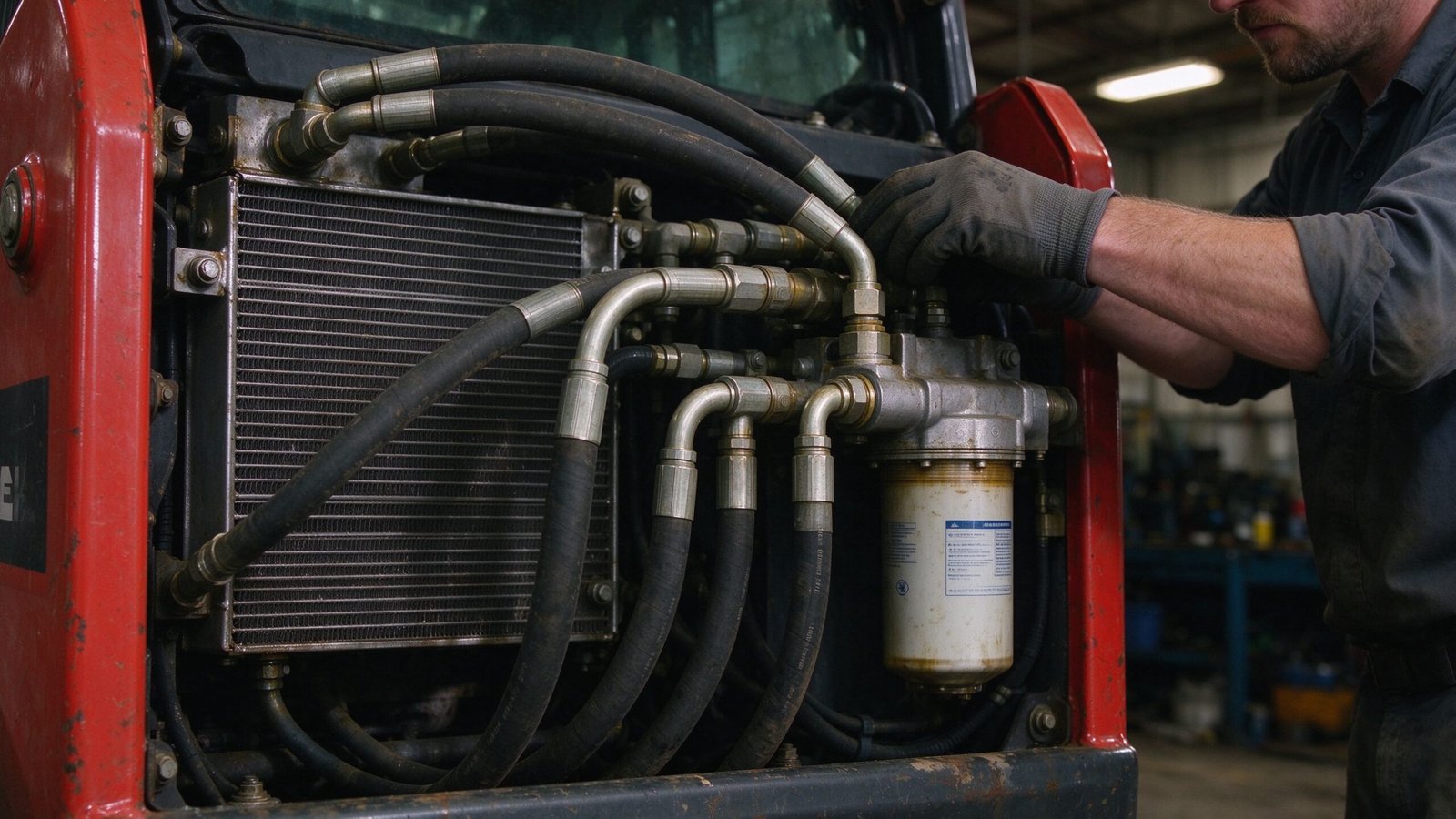
Hydraulic flow (GPM) is the volume of hydraulic oil the auxiliary circuit delivers to an attachment every minute. Think of it as the “blood flow” of the machine: more flow means the hydraulic motor on an auger, mulcher or blower turns faster and delivers more usable power at the working tool. Hydraulic pressure (PSI) is the force behind the oil; flow is the volume.
Two machines with the same engine power can feel completely different with a hydraulic attachment if one is standard flow and the other is high flow. That is why checking the GPM rating of a loader before pairing it with an attachment is one of the most common questions in skid steer attachments guides.
Standard Flow vs High Flow: Key Differences
The industry splits auxiliary hydraulics into two broad categories:
Standard Flow: 17–25 GPM
Standard flow is what most factory-standard compact loaders deliver — roughly 17 to 25 GPM at around 3,000 PSI. A typical example: a mid-frame machine such as a Bobcat S550 delivers about 20.4 GPM standard, while a Case SR200 runs in the same band. Standard flow is plenty for everyday attachments like buckets, pallet forks, grapples, post hole diggers and most tillers.
High Flow: 30–45 GPM
High flow machines deliver roughly 30 to 45 GPM and are designed for power-hungry attachments: cold planers, forestry mulchers, snow blowers, brush cutters and larger augers. On some models high flow is a factory option; on others it is standard equipment. High flow moves more oil, so attachment motors spin faster and the tool does more work per minute.
What About PSI?
Pressure (PSI) is the other half of hydraulic power. Most standard-flow systems run at approximately 3,000 PSI, and high-flow systems often run at the same pressure with more volume. Attachment manufacturers list both a minimum GPM requirement and a PSI range — always check both against your loader’s spec sheet. For a deeper look at matching implements, see our guide to skid steer attachment compatibility.
How to Find Your Skid Steer’s Hydraulic Flow Rating
Finding the flow rating is straightforward:
- Check the loader’s spec sheet or operator’s manual — look for “auxiliary hydraulic flow” or “standard flow / high flow”.
- Read the serial number plate on the machine, then look up the exact model year spec on the manufacturer’s site.
- Ask the dealer or factory directly. When you buy factory-direct from a manufacturer such as Xinfa, the hydraulic flow and pressure figures are printed on the quotation and the machine’s data plate, so there is no guesswork.
Which Attachments Need High Flow?
As a rule of thumb:
- Standard flow is enough: buckets, pallet forks, grapples, augers up to around 12–18 inches, tillers, post hole diggers, trenchers (light), sweepers.
- High flow recommended: cold planers, forestry mulchers, snow blowers, brush cutters, large augers, wheel saws, rock crushers.
Running a high-flow attachment on a standard-flow machine usually means it works slowly or at reduced output — it will still spin, but it cannot reach rated productivity. Running it for long periods can also overheat the hydraulic oil. If your core jobs are mulching, planing concrete or clearing heavy snow, choose a high-flow machine from the start.
How Hydraulic Flow Affects Attachment Performance
Hydraulic horsepower is roughly flow × pressure. Doubling flow roughly doubles the work an attachment can do per minute — this is why a high-flow snow blower clears a path much faster than the same blower on a standard-flow machine. On the job site, that translates into fewer passes, less fuel and more work per hour. For anyone tracking hydraulic system care, correct flow matching also reduces heat, wear and premature seal failure.

Skid Steer Hydraulic Flow in Xinfa R-Series Loaders
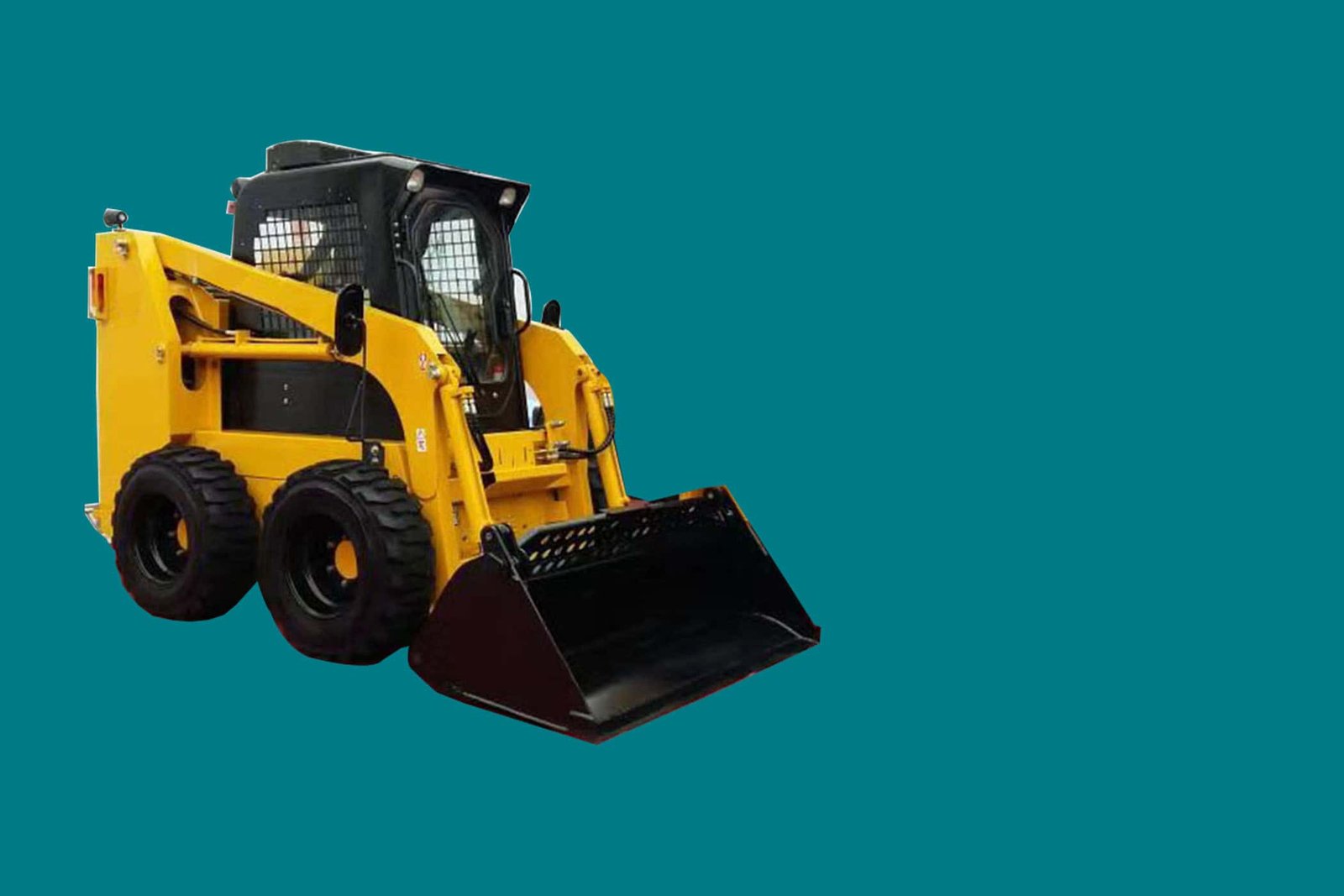
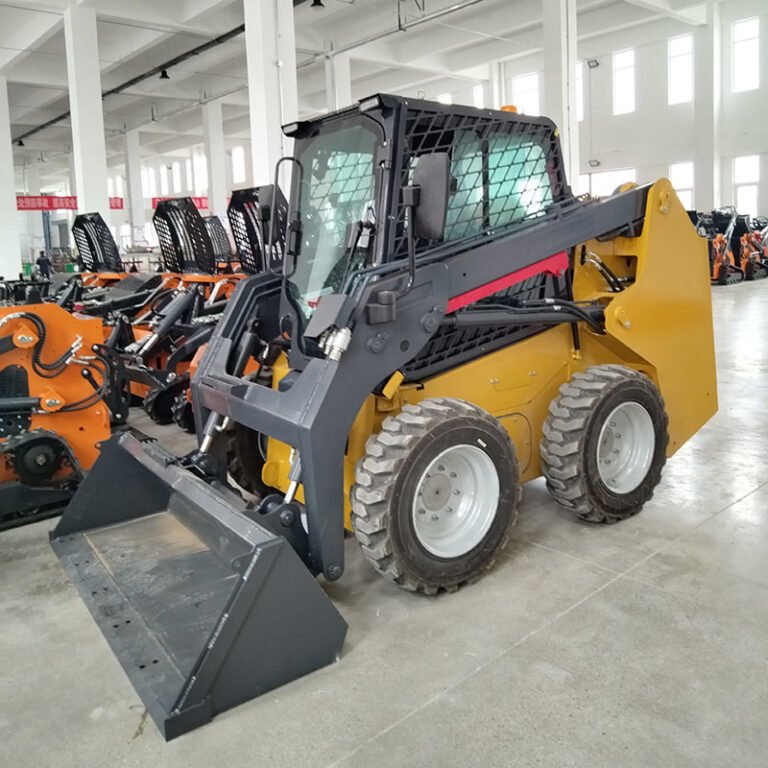
At Shandong Xinfa Machinery, we build compact loaders with clear, printed hydraulic specifications so buyers can match attachments without surprises. Our R-series range covers the machines most contractors and farmers use:
- R390 Skid Steer Loader — a compact 9.9 kW machine with standard-flow auxiliary hydraulics, ideal for buckets, forks, augers and tight-space work.
- R480 Skid Steer Loader — 18.4 kW Yanmar-powered, a proven all-rounder with dependable standard-flow output for daily attachment work.
- R490 Skid Steer Loader — 19.2 kW with strong breakout, suited to higher-output hydraulic attachments.
- R750 Skid Steer Loader — 18.6 kW in a heavier frame with larger hydraulic components, our recommended platform for buyers who run power-hungry implements day in, day out.
Every Xinfa loader is supplied with the hydraulic flow and pressure values written into the contract and the operator manual, and our team will confirm attachment compatibility before you pay. If you are unsure whether you need standard flow or high flow, send us your attachment list and we will match the machine for you — that is what factory-direct buying is for.
Standard Flow or High Flow: How to Decide
Choose standard flow if:
- You mainly load, dig, lift and move material with buckets, forks and grapples.
- Your work is landscaping, small construction, farm chores or material handling.
- You want the lowest purchase price and running cost.
Choose high flow if:
- You plan to run a snow blower, cold planer, mulcher or brush cutter for many hours.
- You work in snow removal, forestry or road maintenance.
- You are building a rental fleet and want one machine that can run the widest range of attachments.
Still deciding between machine types? Read our comparisons of a skid steer vs tractor and skid steer vs compact track loader to see which platform fits your jobsite first.
FAQ
What GPM do I need for a skid steer?
For everyday attachments, a standard-flow machine in the 17–25 GPM range is enough. For mulchers, planers and snow blowers, look for a high-flow machine in the 30–45 GPM range.
What is the difference between GPM and PSI?
GPM is the volume of hydraulic oil flowing per minute (how fast the tool turns); PSI is the pressure behind it (how much force). Both matter — match both to your attachment’s requirements.
Can I run a high-flow attachment on a standard-flow skid steer?
It will run but at reduced speed and output, and prolonged use can overheat the hydraulics. It is usually better to choose the machine to match your heaviest attachment.
Does high flow increase fuel consumption?
Running high-flow hydraulic attachments at full output uses more engine power and therefore more fuel per hour. For intermittent work such as buckets and forks, standard flow is more economical; for continuous power-hungry work such as mulching or snow blowing, the productivity gain of skid steer hydraulic flow in the high-flow range usually outweighs the fuel cost.
How do I know the hydraulic flow of a Xinfa loader?
The hydraulic flow and pressure for every Xinfa R-series loader are printed in the specification sheet, the operator manual and your quotation. Contact Shandong Xinfa Machinery at xinfaloader.com with your attachment list and we will confirm the exact match before you order.
Bottom line: skid steer hydraulic flow decides what your loader can and cannot do with attachments. Check the GPM rating first, match it to your heaviest planned attachment, and buy from a manufacturer that publishes real numbers. Shandong Xinfa Machinery has been building compact loaders and attachments for export since day one — our R-series loaders ship with clear hydraulic specs, worldwide support and factory-direct pricing.