What Is a Skid Steer? Complete 2026 Guide to Skid Steer Loaders
What Is a Skid Steer? Everything to Know About Skid Steer Loaders
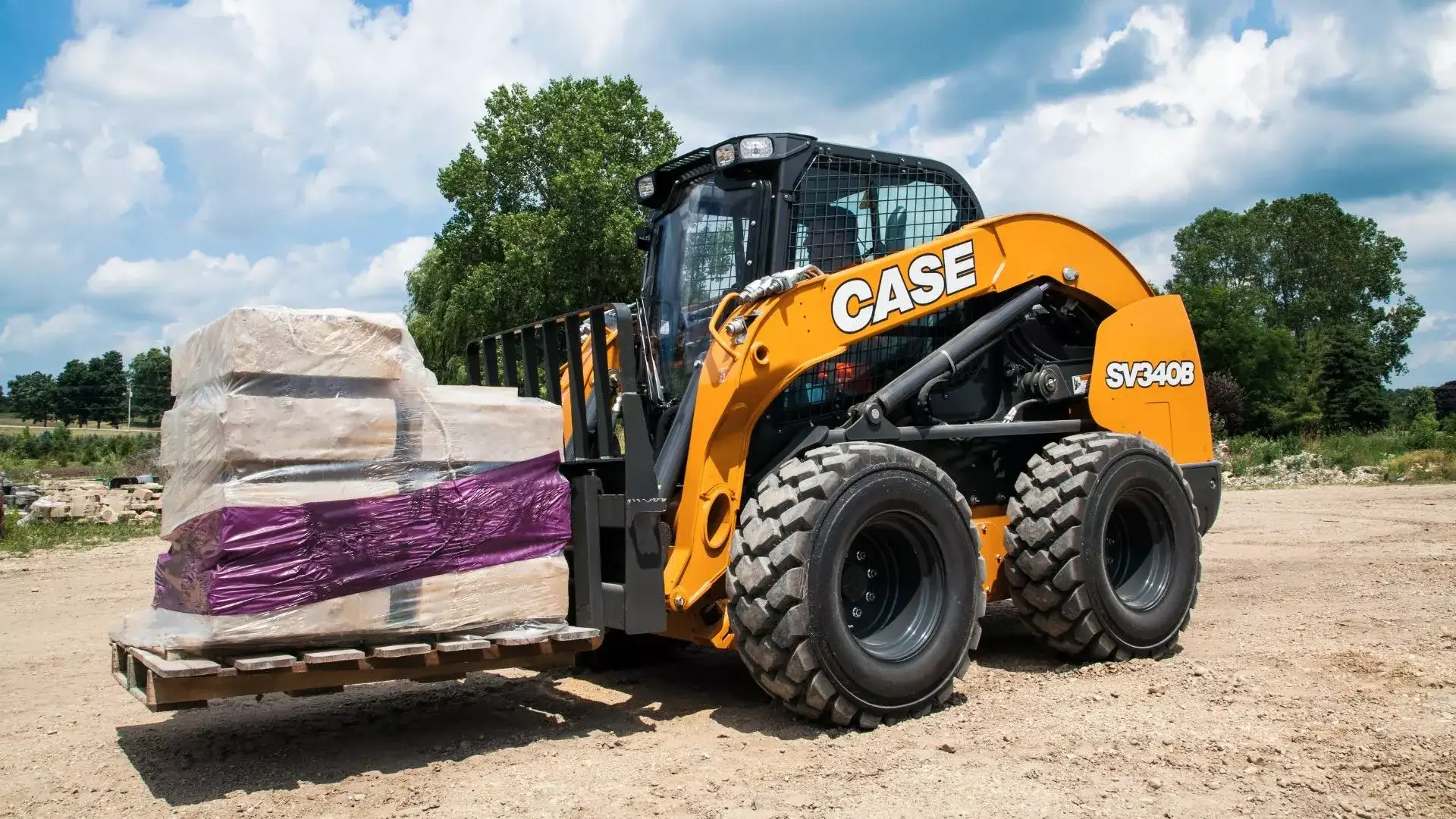
If you’ve seen a compact construction machine spin on the spot in tight job sites, swap work tools in under a minute, and handle earthmoving, landscaping and farm chores, you’ve encountered a skid steer (skid steer loader). This versatile compact heavy equipment stands out for its unique differential steering and interchangeable attachments, making it a staple for contractors, farmers and property managers across every industry.
This complete guide answers every common search question around “what is a skid steer,” covering its invention, core mechanics, key components, real-world applications, compatible attachments, size classes, transport logistics, and whether renting or buying works best for your workflow.
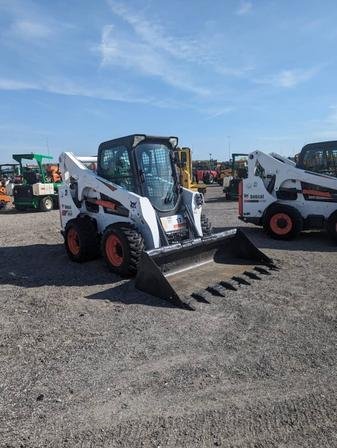
Bobcat wheeled skid steer loader on job lot
What Is a Skid Steer & How Did It Get Its Name?
The Skidding Steering Mechanism
A skid steer loader is a compact wheel or track-driven heavy machine with independent left and right drive systems. Unlike standard loaders that pivot front wheels to turn, skid steers steer via differential drive:
- Separate hydrostatic transmissions power each side’s wheels/tracks
- Matching speed on both sides = straight travel
- Slowing, stopping, or reversing one side forces wheels to drag (skid) across the ground to change direction
- Running one side forward and the opposite backward creates a zero-radius turn—able to spin within its own footprint, ideal for cramped spaces
This sliding motion is where the machine gets the name “skid steer.” Fixed wheel angles mean no steering axles, delivering unmatched maneuverability in narrow barns, residential construction lots and indoor renovation sites.
The Origin Story of the First Skid Steer
The original skid steer prototype debuted in 1957, built by brothers Louis and Cyril Keller to solve a turkey barn cleaning problem for a Minnesota farmer. The lightweight compact design solved the pain point of accessing tight upper barn levels larger machinery couldn’t reach.
In 1960, Melroe Manufacturing released the first commercial four-wheel skid steer, later branded Bobcat in 1962—the most recognizable skid steer manufacturer worldwide today.
Core Key Parts of a Skid Steer Loader
Every skid steer relies on six foundational components that enable its multi-functional operation, plus hydraulic systems to power attachments and lift arms:
- Bucket / Quick-Attach Coupler: Default front work tool; standardized mounting (Bob-Tach for Bobcat) swaps attachments in minutes without hand tools
- Operator Cab: Enclosed protective cage with visibility windows, safety interlocks and main control levers
- Lift Arms: Two arm configurations available: radial lift and vertical lift
- Tires or Rubber Tracks: Wheeled skid steers for hard pavement; tracked compact track loaders for soft muddy terrain
- Drive Motors: Independent hydraulic motors powering left and right wheel groups
- Axles: Locked side-by-side wheel linkage ensuring synchronized rotation per machine side
Radial Lift vs Vertical Lift Skid Steer Arms
- Radial Lift: Longer forward reach at mid-height; perfect for backfilling, grading and loading low flatbed trailers
- Vertical Lift: Keeps loads tight to the machine as arms rise, delivering maximum lift height for stacking pallets and loading tall dump trucks—preferred for warehouse material handling and high-lift jobs
Basic Skid Steer Control Layout
All skid steers use dual joystick steering controls paired with safety and hydraulic switches:
- Two main levers independently control left/right travel (push forward = drive ahead; pull back = reverse)
- Throttle slider to adjust engine RPM
- Lift/tilt switches to raise arms and dump bucket attachments
- Mandatory safety interlock + parking brake that must engage before operation Standard operator rule before exiting: fully lower attachments to ground, set parking brake and shut down the engine to prevent accidental movement
What Is a Skid Steer Used For? Top Industry Applications
The biggest advantage of a skid steer is its cross-industry versatility. With interchangeable attachments, one machine replaces multiple specialized pieces of compact equipment for construction, landscaping, agriculture and facility maintenance. Below are its most common jobs:
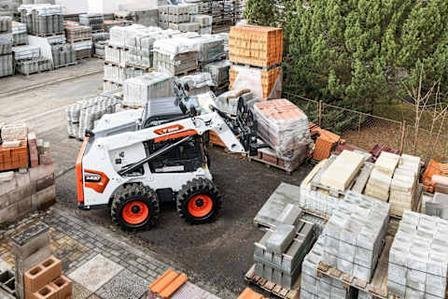
Skid steer moving palletized construction materials
Construction & Demolition
- Site prep, debris cleanup and light excavation/trenching
- Interior/exterior demolition with shear attachments (safe for tight neighborhood lots)
- Road maintenance: patching, grading, pavement milling and concrete mixing
- Loading dirt, gravel and building materials into trucks
Landscaping Work
- Yard grading, backfilling and rock removal with rake attachments
- Stump grinding, tree cutting and brush clearing via brush cutters
- Soil tilling, mulch transport and garden bed preparation
- Snow removal with snow blades, blowers and push buckets in winter months
Agricultural & Farm Operations
- Barn/stable waste cleanup (the original skid steer use case)
- Hay bale transport with bale squeeze and hay spear attachments
- Tilling, fence post drilling with augers and livestock pen maintenance
Warehouse & Material Handling
- Pallet moving using hydraulic pallet forks (vertical lift models recommended for high stacking)
- Bulk material transport in tight indoor storage facilities
Popular Skid Steer Attachments to Expand Functionality
The quick-attach front coupler unlocks over 100 compatible tool families, eliminating the need to own separate machines for specialized tasks. Top widely used attachments include:
- Earthmoving: Standard buckets, grapples, trenchers, augers, backhoe arms, rippers
- Landscaping: Brush cutters, rototillers, stump grinders, landscape rakes, tree shears
- Winter Maintenance: Snow plow blades, snow blowers, debris brooms
- Farm Tools: Bale squeezes, hay spears, manure buckets, fence installers
- Construction & Demolition: Cold planers, log splitters, screening buckets, demolition shears Premium models offer high-flow hydraulic systems to power heavy-duty attachments like mulchers and industrial grinders.
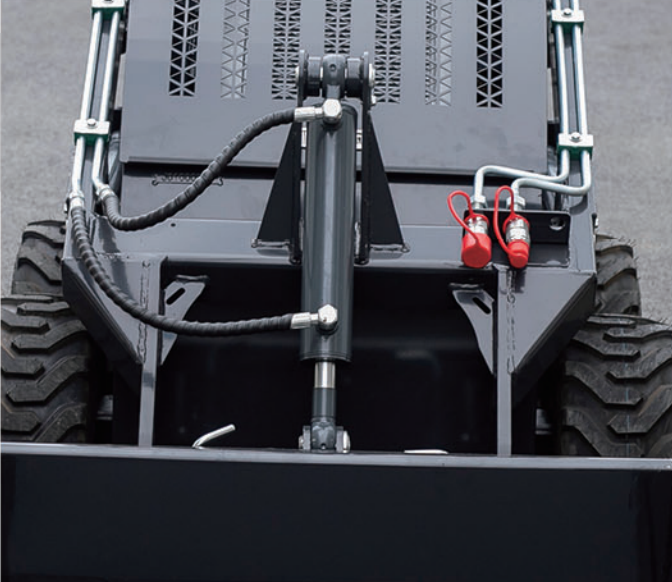
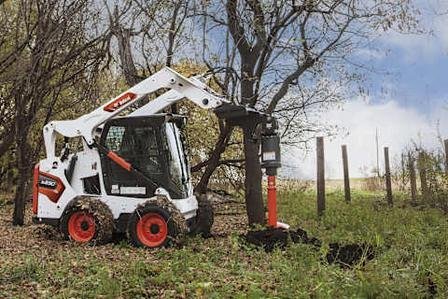
Skid steer with auger post hole attachment
Skid Steer Size Guide – Which Size Do You Need?
Skid steer classification depends on frame weight, horsepower and Rated Operating Capacity (ROC)—the safe lifting load at half the machine’s tipping weight (core safety metric):
- Small Frame Skid Steers (1,550–1,900 lbs ROC) Lightweight, ultra-compact for indoor renovation, tight residential yards and easy transport. Best for precision landscaping and interior demo.
- Mid-Size Skid Steers (2,000–3,000 lbs ROC) Balanced power and maneuverability; the most popular all-around choice for general construction, farm and landscaping businesses. Handles light excavation and daily material loading.
- Large Frame Skid Steers (3,450–4,300 lbs ROC) Heavy-duty lifting capacity for roadbuilding, large-scale demolition and bulk earthmoving. Less agile in tight spaces but delivers maximum production output on open job sites
Renting vs Buying a Skid Steer – Key Considerations
When to Rent a Skid Steer
- Infrequent use (less than weekly jobs) to avoid storage, maintenance and insurance overhead
- One-off specialty projects requiring rare attachments you don’t want to purchase
- Out-of-town jobs to skip hauling large equipment long distances
- Testing different frame sizes or lift configurations before committing to a purchase
When to Buy a Skid Steer
- Regular weekly usage for your core business workflow
- Long-term cost savings vs recurring monthly rental fees
- Need consistent equipment availability for back-to-back job schedules
- Plan to build a permanent compact equipment fleet for construction/landscaping operations Many businesses split costs: purchase a base skid steer + essential buckets/forks, rent specialty attachments only when needed
How to Haul & Ship a Skid Steer
Transporting a skid steer relies on open flatbed or step-deck trailers, with planning critical for safe delivery:
Pre-Shipping Checklist
- Record full machine dimensions and operating weight (including attached buckets/tools)
- Secure loose accessories and lock attachment pins to prevent shifting during transit
- Capture condition photos pre-pickup for documentation
- Confirm pickup/delivery site access (soft ground, narrow driveways, weight limits)
Factors That Impact Skid Steer Shipping Cost
Total transport distance, machine weight/size, trailer type, delivery accessibility, rush scheduling and required heavy equipment carrier expertise. Specialized freight platforms streamline matching your skid steer to compatible haulers and generate instant shipping quotes by inputting machine make, model and location details.
H2: Frequently Asked Questions About Skid Steers (FAQ)
Q1: What’s the difference between a skid steer and compact track loader (CTL)?
A skid steer uses four rubber wheels optimized for hard concrete/gravel surfaces and faster transport. Compact track loaders use wide rubber tracks to distribute weight evenly, delivering superior traction on wet, muddy or uneven ground at the cost of slower road travel speed.
Q2: Can a skid steer operate indoors?
Yes. Small-frame zero-radius skid steers fit through standard barn and warehouse doorframes, and modern Tier 4 compliant engines produce low emissions safe for enclosed workspaces with proper ventilation.
Q3: How long does it take to learn to operate a skid steer?
Most operators master basic differential steering within a few hours of supervised practice. Formal certified training is recommended for commercial construction sites and high-powered specialty attachment work.
Q4: Why is ROC important for skid steer safety?
Rated Operating Capacity is calculated at half the machine’s tipping load to create a built-in safety buffer. Exceeding ROC drastically increases rollover risk and accelerates premature wear on lift arms and hydraulics.
Final Takeaways – Is a Skid Steer Right for Your Work?
A skid steer loader is the ultimate all-in-one compact heavy equipment solution if you regularly work in tight spaces and need flexible tooling to switch between digging, hauling, clearing and grading tasks. Its zero-turn skidding steering design, fast-swap attachment system and multiple size classes make it invaluable for landscapers, general contractors, farmers and property maintenance crews alike.
Whether you plan to rent a skid steer for a weekend landscaping project or purchase a mid-size model for year-round commercial work, matching your machine’s ROC, lift path and compatible attachments to your most frequent jobs maximizes efficiency and return on investment.
If you need support sourcing skid steer shipping quotes, comparing rental/buy options, or learning more about specialized attachments, reach out to heavy equipment transport and machinery dealers for tailored recommendations for your industry.