Electric vs Diesel Skid Steer: Practical Comparison
Electric vs Diesel Skid Steer: The Practical Comparison
The electric vs diesel skid steer debate is no longer theoretical. Compact electric loaders now exist from real manufacturers, with documented specs and export certification. This side-by-side comparison walks through purchase price, running cost, maintenance, emissions, and the jobs where each powertrain wins, so you can decide with numbers rather than hype or marketing.
Purchase Price: Upfront Numbers
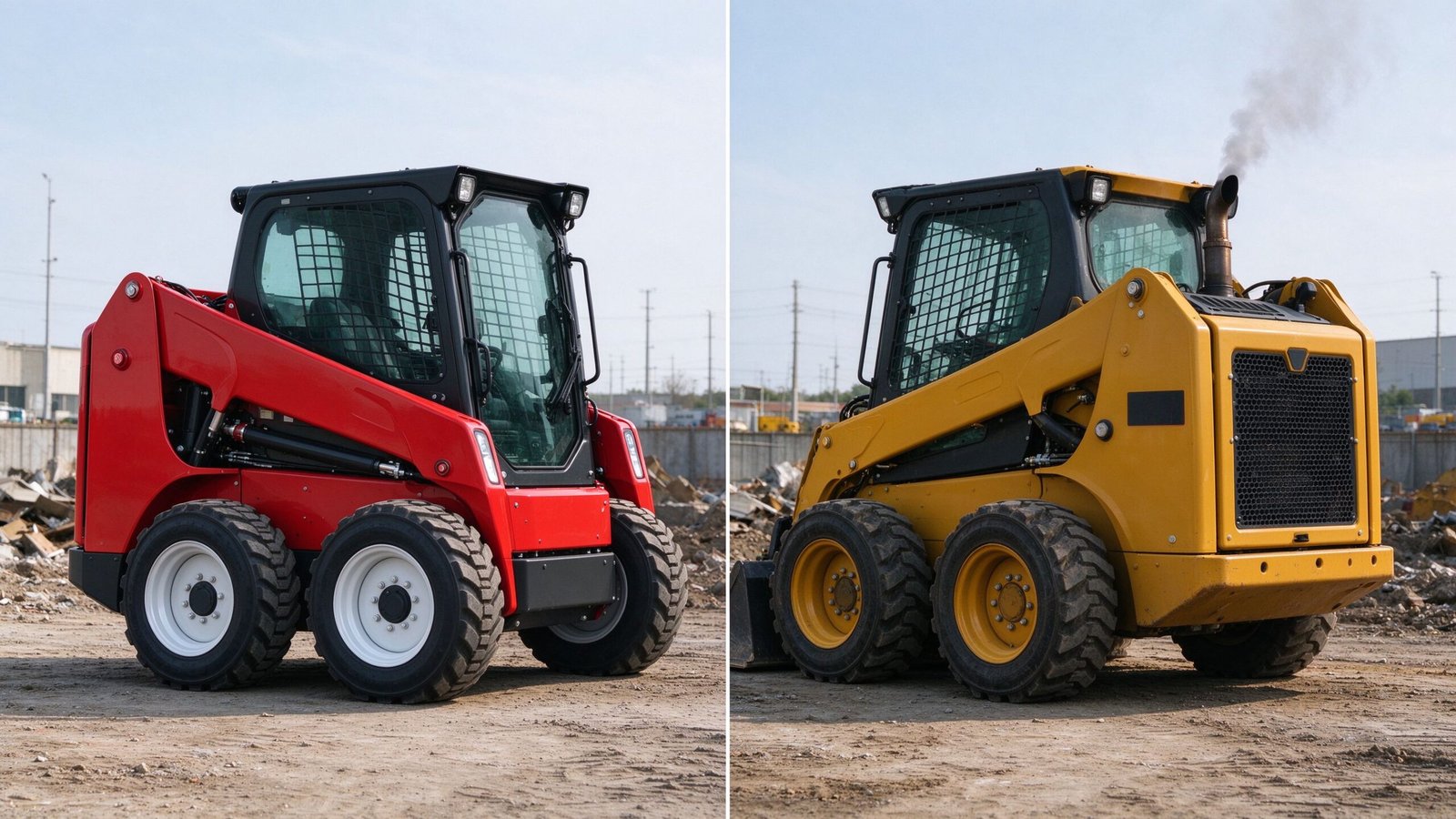
In the electric vs diesel skid steer comparison, electric machines usually cost more upfront because of the battery pack. Diesel compact loaders traditionally carry a lower entry price. However, factory-direct sourcing narrows the gap considerably, since you are not paying a dealer markup on either powertrain. Before judging cost, look at the full picture over five years, not just the sticker price.
Fuel and Energy Costs Per Hour
Diesel costs money every hour you run the machine. Engine oil, filters, and scheduled service add to that bill. In the electric vs diesel skid steer argument, electric wins on energy cost: charging a battery at grid rates is far cheaper per kilowatt than burning diesel, and electric machines have far fewer moving parts to service.
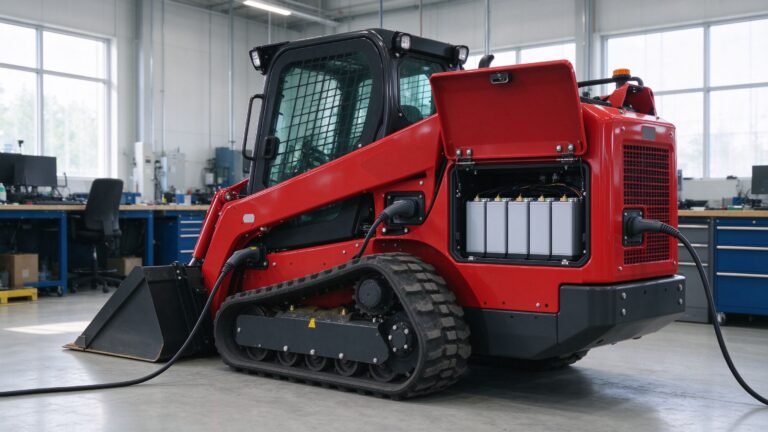
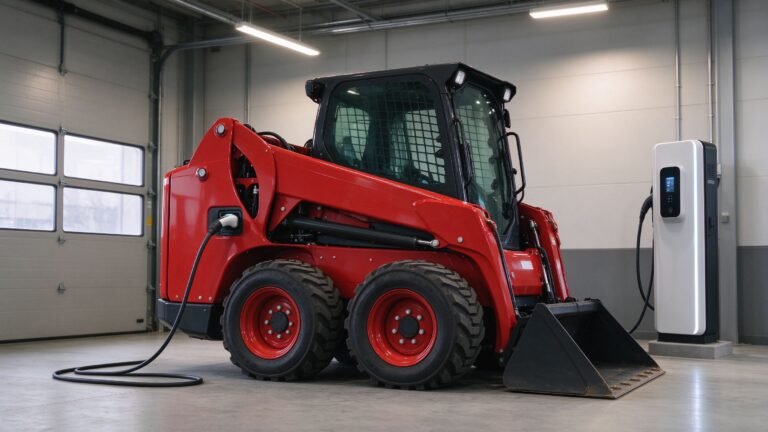
Electric compact loaders from Xinfa use 72V lithium packs, offered in 125Ah and 200Ah capacities depending on runtime needs. Match the pack size to your shift length, and plan opportunity charging during lunch breaks so the machine never sits idle waiting for a full charge. A 200Ah pack suits longer shifts; a 125Ah pack suits lighter, intermittent work at a lower purchase price.
Maintenance and Service
Diesel engines need oil changes, fuel filters, air filters, coolant, and exhaust aftertreatment service. Electric machines skip nearly all of that. No engine oil, no spark plugs, no emissions system repairs. Maintenance shifts mainly to hydraulics, tires, and the battery management system.
That service gap is a hidden reason rental fleets are moving electric. Fewer service hours mean more billable hours. For the routine care every loader needs, see our skid steer maintenance tips checklist.
Emissions, Noise, and Indoor Work
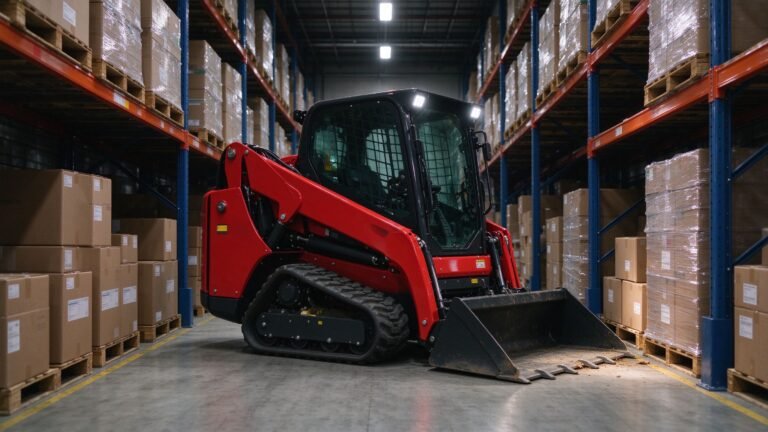
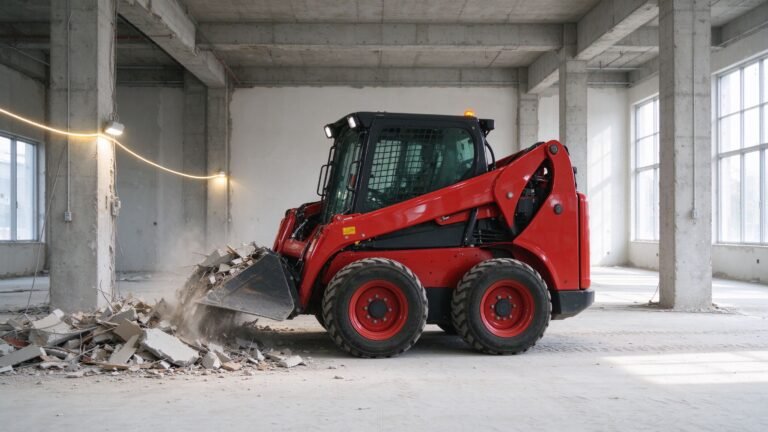
This is where the electric vs diesel skid steer decision becomes obvious. A diesel machine cannot safely run in a basement, a closed barn, or an urban site with emission restrictions. Its exhaust fumes and noise make it the wrong tool indoors.
An electric loader runs zero-emission and quietly. Crews can work inside occupied buildings without fume hazards, and neighborhoods accept early-morning starts. Explore this angle further in zero emission skid steer loader and electric skid steer loader benefits.
Performance, Torque, and Runtime
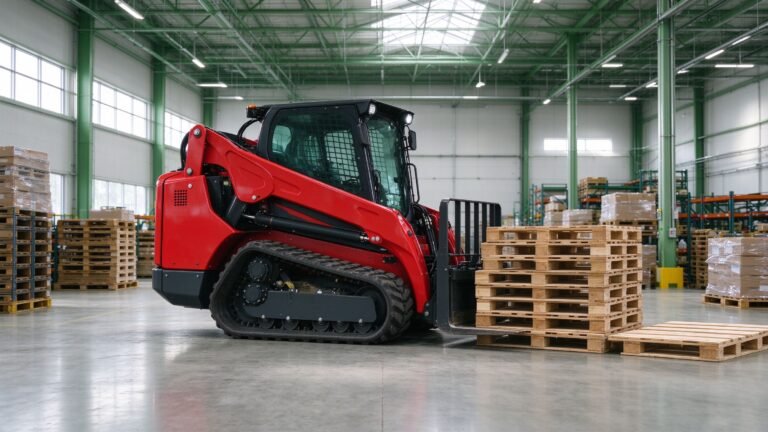
Electric motors deliver full torque the moment you press the pedal. That instant response feels strong in compact machines. Diesel engines rely on RPM to build torque and need to be revved up under load. Xinfa’s compact electric models range from 6 kW to 8 kW continuous drive power, with rated loads from 200 kg on the X390 up to 400 kg on the R750. For most light construction, landscaping, and indoor demolition work, that is more than enough. Heavier outside work still favors the diesel options up to 19.2 kW.
Electric vs Diesel Skid Steer: Which One to Choose?
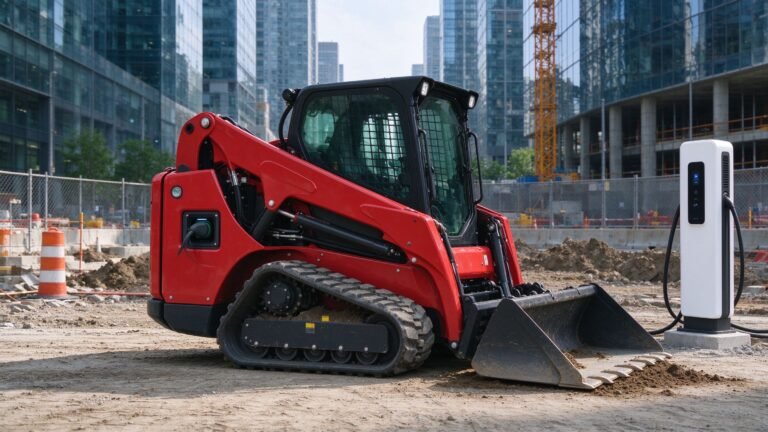
Choose electric for indoor jobs, urban sites, farms, quiet neighborhoods, and fleets focused on low running cost. It shines when you can charge overnight and work standard shifts. Choose diesel for remote sites without power, very long days where charging is impractical, and operations where service networks for diesel are everywhere.
See how compact electric costs stack up in compact electric loader cost and its ROI breakdown. Most small contractors do not need to pick one forever; many start with one diesel machine for outside work and add one electric unit for indoor and urban contracts.
A Quick Decision Checklist
Before you sign, run this short list. Can your site offer overnight charging? If yes, electric is practical. Are emissions restrictions or noise rules part of your contracts? If yes, electric is often required anyway. Do you run the machine long, remote days without power? If yes, diesel still wins. Do you want the lowest hourly running cost and simplest maintenance? Electric pays back over time.
Also think about who operates the machine. Electric controls are simpler and quieter, which eases training for new operators. Diesel requires more routine service familiarity. For a small crew that wants to run the machine and focus on the job, the electric option removes a layer of engine maintenance from your week.
Resale is worth noting too. Diesel machines have a mature second-hand market today, but demand for clean electric compact loaders is rising as more sites demand low-emission equipment. Five years out, either powertrain should hold value if you keep service records clean.
Weigh your site constraints honestly before you choose. If power, permits, and charging are already in place, electric is the lower-cost long-term bet. If none of that exists yet, diesel remains the pragmatic pick until you build the infrastructure.
Also think about resale and parts. Diesel parts are available everywhere today, but electric support depends on the manufacturer, so choose a builder that stocks spare battery components and ships globally. A factory-direct supplier like Xinfa supports both powertrains with the same parts pipeline, which removes that worry.
Frequently Asked Questions: Electric vs Diesel Skid Steer
Why does the electric vs diesel skid steer debate keep growing? Because sites increasingly restrict diesel exhaust indoors and in urban zones; regulators such as the EPA continue tightening emissions rules, which tilts the electric vs diesel skid steer decision toward zero-emission machines on more job sites each year.
Which wins on hourly cost, electric or diesel skid steer? Electric wins on energy and maintenance, but diesel wins on raw runtime away from power. Weigh your typical shift before you let the electric vs diesel skid steer choice be made by sticker price alone.
Compare real electric and diesel machines at Xinfa, where every Xinfa loader ships factory-direct with CE, EPA, EURO 5, and ISO certification. Tell the Xinfa team your typical jobsite and shift length, and they will recommend the powertrain that wins your electric vs diesel skid steer decision on total cost.