Compact Electric Loader Cost: Complete ROI Guide
Compact Electric Loader Cost: The Complete ROI Guide
Understanding compact electric loader cost means looking past the sticker price. The battery pack raises the purchase number, but fuel savings, reduced service, and zero-emission access add up fast. This analysis breaks compact electric loader cost into real line items and shows when the return on investment kicks in, so you can buy with a clear budget rather than a guess.
What Drives Compact Electric Loader Cost?
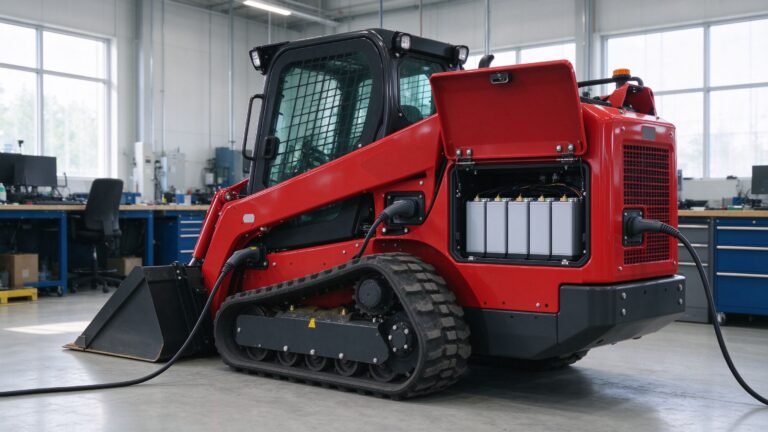
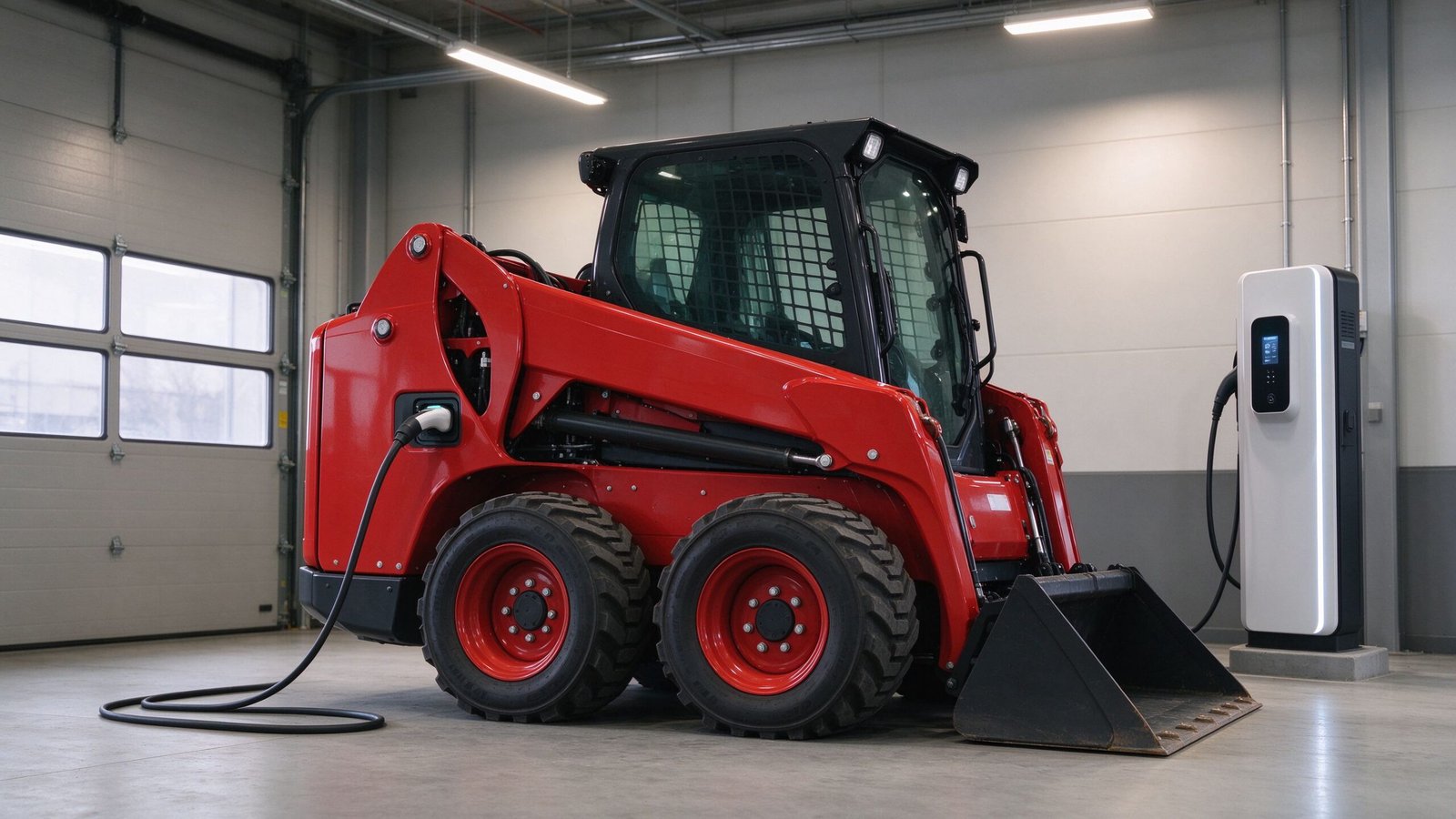
The largest part of compact electric loader cost is the machine itself. Electric compact loaders typically cost more than equivalent diesel units because of the lithium battery pack, motor controller, and battery management system. The bigger the battery, the higher the price, but the longer the runtime per shift.
Factory-direct sourcing changes the math. When you buy directly from a manufacturer like Xinfa, you remove the dealer layer that usually inflates equipment prices. Xinfa’s compact electric range includes the X360 and X390 with 72V 125Ah packs, and the X460 and R490 with larger 72V 200Ah packs, so you can size the battery to your budget and runtime needs instead of paying for capacity you will never use.
Charging Infrastructure: A Small, One-Time Cost
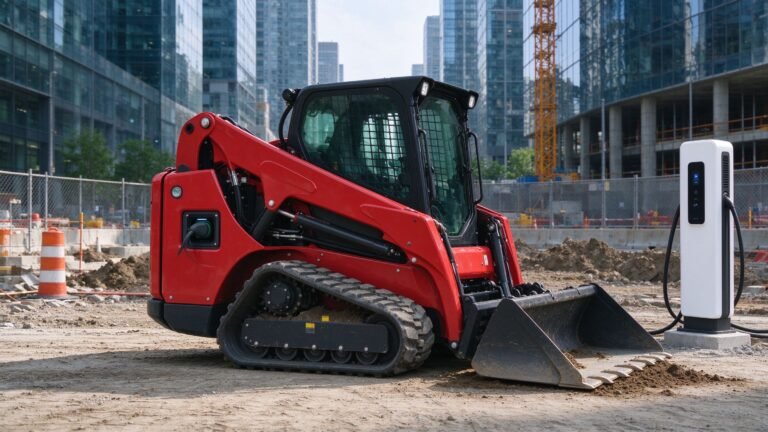
Unlike a diesel bowser, an electric loader needs a charging point. Most compact machines charge from standard industrial power, and many owners set up a simple 220V or 380V outlet in the yard. This one-time infrastructure cost is modest compared with any heavy equipment purchase.
Plan the charging location before the machine ships. A dedicated, weather-protected outlet near your equipment bay keeps the battery topped between shifts and avoids the frustration of running extension leads across a yard.
Energy Cost Per Hour
Here compact electric loader cost starts paying you back. Charging a 72V battery from the grid costs a fraction of the diesel burned in a comparable hour. As fuel prices fluctuate, your energy cost stays predictable.
Over a 1,000-hour working year, that gap compounds. Even a modest hourly saving on energy becomes a four- or five-figure annual difference by year-end, especially if you currently run a thirsty diesel machine on short, stop-start indoor jobs.
Maintenance Savings
Electric machines skip oil changes, fuel filters, air filters, and exhaust aftertreatment. Their service schedule centers on hydraulics, tires, and general inspection. Compare this with a diesel engine, where scheduled service alone costs thousands over ownership.
Fewer service hours also mean fewer hours the machine sits in the shop instead of earning money. For the baseline care every loader needs, review our skid steer maintenance tips; hydraulic filters and fluid changes are still required, just far less often than on a diesel engine.
What Buyers Often Forget to Budget
Beyond the machine and charging point, small costs add up. Budget for your first three attachments, because an electric loader with no attachments earns nothing. Budget for a spare tire or a set of tire chains if you work winter sites. Budget for shipping crating, import duty, and the local transport from port to your yard. Buyers who plan only the machine price are often surprised by these smaller line items.
Also plan charging time into your workflow. An electric loader works in shifts, not around the clock. If you run a 10-hour shift, size the battery so the machine finishes without a mid-day charge, or accept a planned break plugged in. A larger 200Ah pack costs more upfront but saves you from dead hours mid-job.
Track energy use for the first month. Compare your actual kilowatt-hours against the diesel machine you replaced, and you will see the monthly saving clearly. That number is your proof when you justify a second electric unit next season.
Choose the battery size for your longest day, not your average day. Running a battery flat every shift shortens its life, so leaving headroom protects the biggest single cost in the machine.
Revenue Premium: Jobs You Suddenly Win
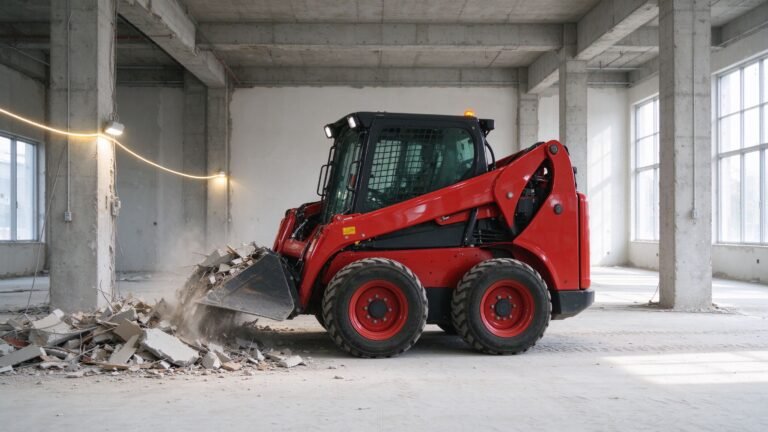
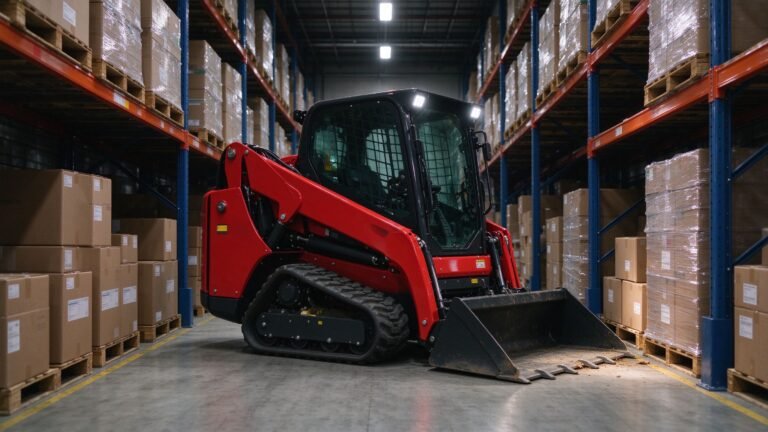
A hidden benefit of compact electric loader cost is access. With a zero-emission machine, you can bid on indoor demolition, basement work, urban sites, and occupied buildings where diesel is banned. Those contracts often carry premium rates because few contractors can take them.
Read more in zero emission skid steer loader and compare powertrains in electric vs diesel skid steer.
When Does ROI Kick In?
Return on investment depends on utilization. A machine used 800 to 1,200 hours a year recovers the battery premium through fuel and service savings within roughly two to four years, depending on local energy and diesel prices. A machine used occasionally may take longer.
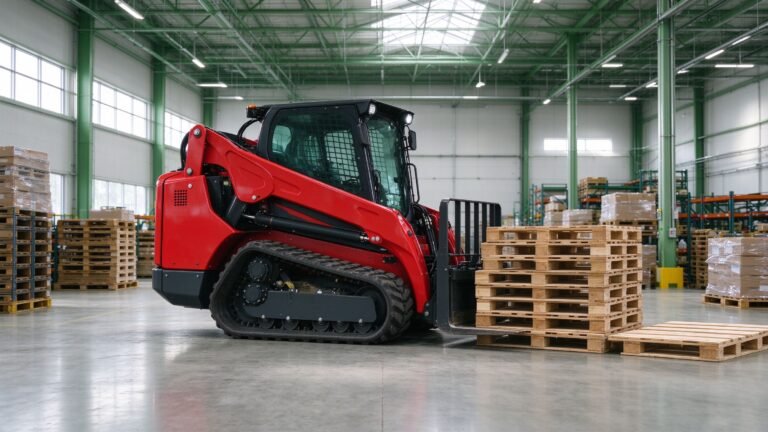
The calculation also depends on the attachments you run. A machine that earns money across buckets, augers, grapples, and brooms spreads its cost faster than one sitting idle. Explore tool options in the skid steer attachments guide.
Total Cost Checklist for Buyers
Before you commit to compact electric loader cost, total these items: machine price, battery pack size, first three attachments, charging outlet setup, shipping and import costs, and warranty coverage. Ask the manufacturer for certified specs and export documentation, and confirm how long the battery warranty lasts and what it covers.
Frequently Asked Questions on Compact Electric Loader Cost
Why does compact electric loader cost more upfront? The lithium battery pack and motor controller add cost, but regulators such as the EPA keep raising the value of zero-emission operation, which helps justify the compact electric loader cost on indoor and urban contracts.
Want a real quote tailored to your hours and attachments? Visit Xinfa and ask the team to model your compact electric loader cost against a diesel alternative. Every Xinfa skid steer loader ships factory-direct with CE, EPA, EURO 5, and ISO certification, so you buy with both eyes open.