Skid Steer for Municipal Work: Complete Public Guide
Skid Steer for Municipal Work: The Complete Public Works Guide
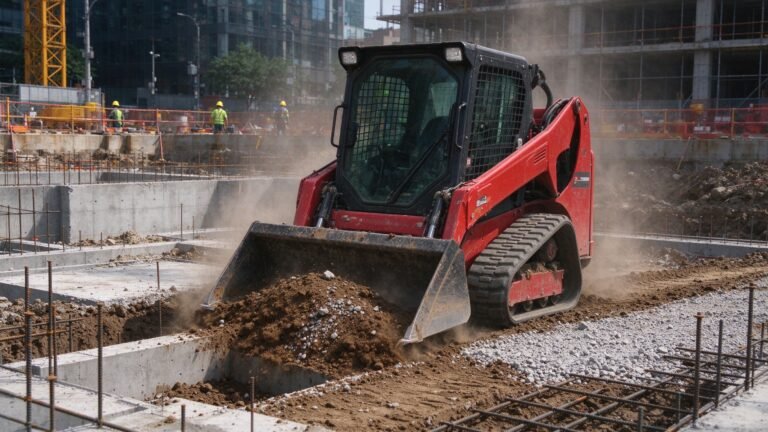
A skid steer for municipal work earns its keep because cities do not need one big machine for one big task. They need a small, agile platform that swaps tools through the year: sweep streets in spring, clear trails in summer, maintain parks in fall, and plow sidewalks in winter. This versatility is exactly why public works fleets around the world rely on compact skid steers.
What Municipal Crews Actually Do With Skid Steers
Public works fleets are not doing one job; they are doing a hundred small ones. A typical urban skid steer appears in:
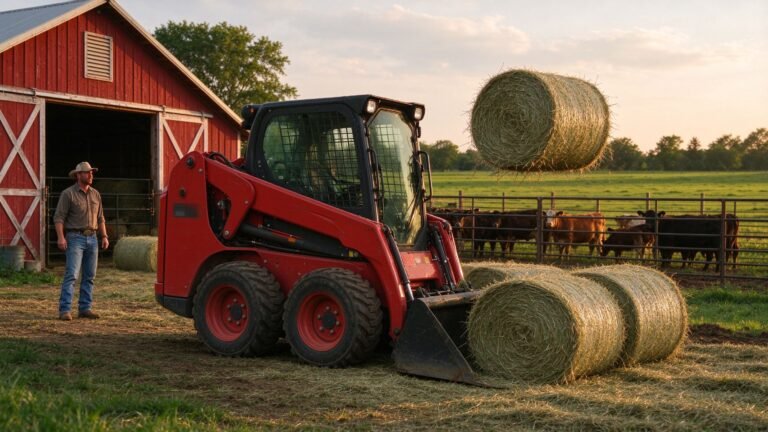
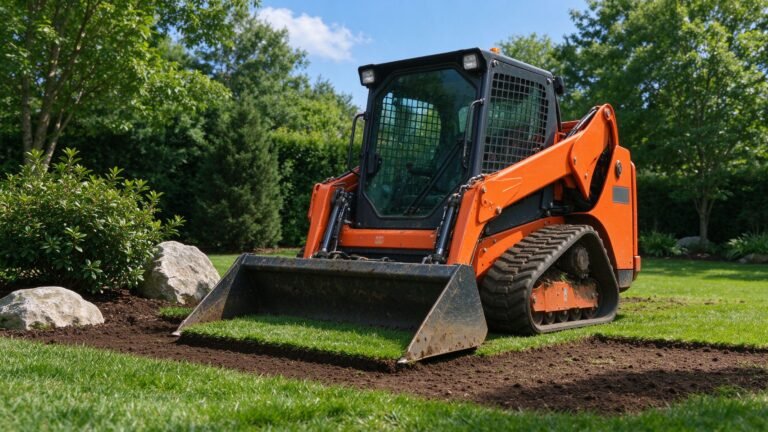
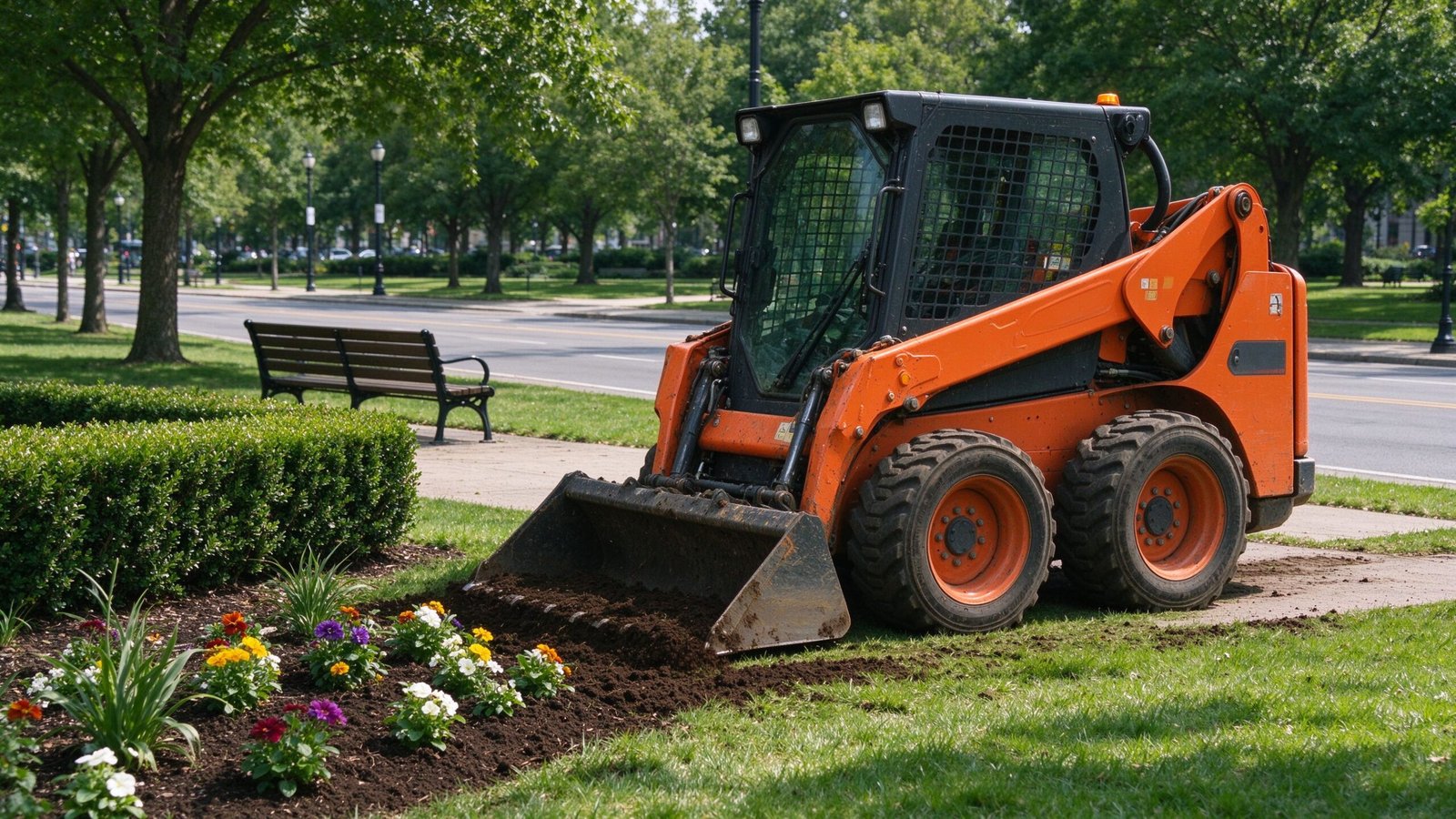
- Park and trail upkeep — moving mulch, grading paths, removing fallen trees
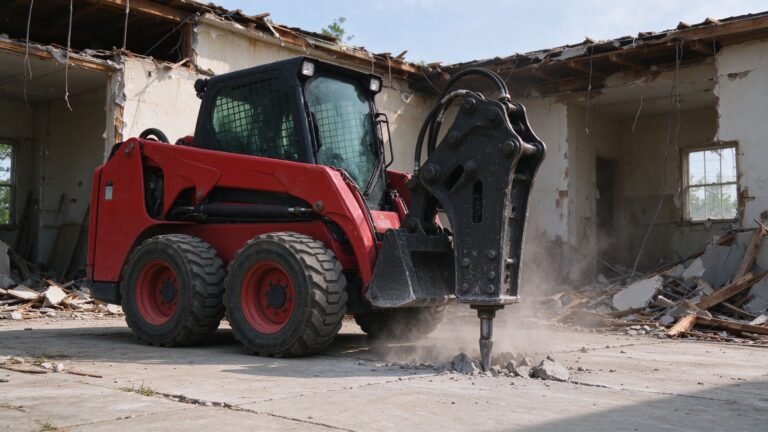
- Street and sidewalk repair — digging trenches, lifting cobbles, loading old pavement
- Storm and flood cleanup — removing debris, hauling washout material
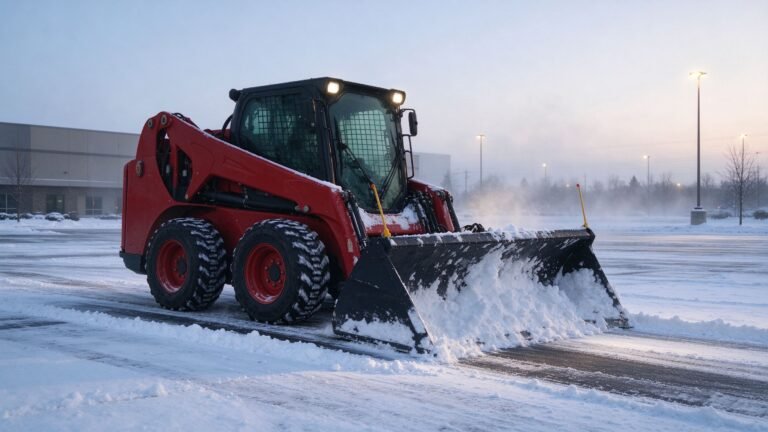
- Winter snow and ice control on sidewalks, parking lots, and cul-de-sacs
- Cemetery and grounds maintenance — digging graves, moving soil, setting monuments
- Event setup — moving barricades, sandbags, and portable fencing
The same machine that clears a storm drain in July can plow a walkway in January. That seasonal flexibility is the budget argument city managers love. For the winter side specifically, our deep dive on skid steers for snow removal covers plows, blowers, and contract pricing.
The Compact Size Is the Point
Municipal work happens where people live. A full-size loader cannot fit through a park gate, down a sidewalk, or into a crowded downtown parking lot. A compact skid steer can. Narrow models like the Xinfa X360, at about 980 mm wide with a 300 kg rated load, pass through pedestrian openings and gateways that bigger trucks cannot touch. If width and access drive your spec, our overview of skid steer loader sizes lays out the classes.
Low Noise and Low Emissions in Tight Spaces
Crews often work near hospitals, schools, and housing. Diesel noise and exhaust draw complaints, and emissions rules in many cities are tightening. This is why municipal fleets are increasingly testing electric and low-emission compact models. A battery-powered unit lets crews start early in residential neighborhoods without waking the block. You can compare the technology in our zero emission skid steer loader article.
Attachments That Pay for Themselves
The machine is only half the story. Municipal fleets justify the purchase by owning a tool crib:
- Sweeper broom for sidewalks and plazas
- Snow pusher or blower for winter routes
- Standard and 4-in-1 bucket for general cleanup
- Grapple for fallen branches and debris
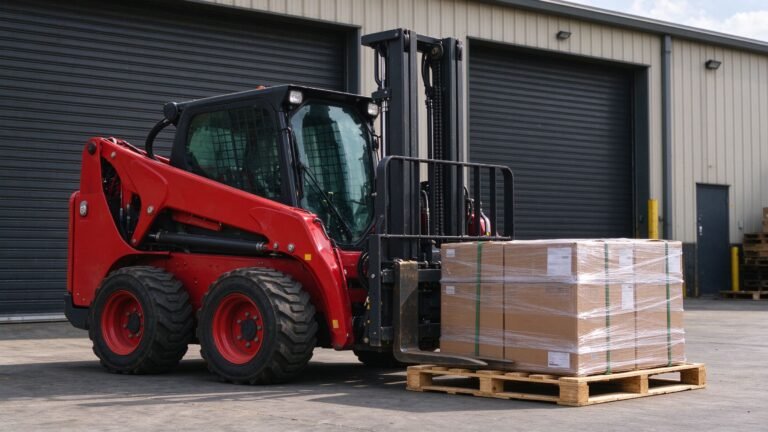
- Pallet forks for barrier and equipment moves
- Auger for tree planting and sign posts
We cover these tools in our attachments guide and the dedicated snow blower attachment piece. A fleet that owns six attachments stretches one chassis across a whole calendar of tasks.
Fleet Buying Considerations for Cities
Municipal procurement is different from a private contractor’s. Expect to weigh:
- Certifications such as CE, EPA, EURO 5, and ISO where required by tender
- Parts availability over a 10-year horizon, not just purchase price
- Operator training across a mixed workforce
- Safety standards including ROPS/FOPS and seatbelt interlocks
- Warranty and service response when a machine sits in a public works yard
If you are writing specs or comparing brands, our 8-step buying guide gives a structured framework. Public-works buyers should also read our piece on sourcing from a China skid steer manufacturer, because factory-direct procurement often improves the budget available for attachments.
Maintenance Planning Matters Most
A municipal skid steer sees intermittent use but must start reliably when a storm hits. Stick to a written service schedule, winterize the cooling system, and keep filters and fluids stocked. Our skid steer maintenance checklist and the companion hydraulic system care guide help public works shops keep machines ready on call.
Why a Skid Steer for Municipal Work Wins Year-Round
The strongest argument for a skid steer for municipal work is seasonality. A dedicated sidewalk plow sits idle ten months a year. A dedicated lawn mower sits idle in winter. The skid steer, by contrast, earns its keep in every season: swap to a broom in spring, a grapple and bucket in summer, a leaf plow in fall, and a snow pusher in winter. For a public budget committee, that one-machine, many-tools story is far easier to defend than a lineup of single-purpose trucks.
Cities also value predictability. A well-spec’d compact loader runs for a decade or more with routine maintenance, and its attachments are simple mechanical tools that any shop can fix. That lowers the long-term risk of the purchase, which matters when public money is involved. Smaller towns in particular rely on this versatility, because they cannot afford a specialist machine for every street and park task on the calendar. A single well-equipped loader also simplifies training: one certified operator program covers brooming, grading, and snow duty, instead of three separate licenses. That lowers the staffing headache that public works supervisors juggle every budget cycle. When snow season arrives, the same operator who maintained flower beds in May is already trained on the same machine.
Budgeting for a Multi-Season Fleet
Municipal buyers usually plan three to five years out. A practical budget line covers the machine, the attachment set, a parts reserve, and operator training, not just the purchase invoice. Cities that skimp on training and parts often see the machine sit after its first busy winter, which wastes the whole point of buying a versatile platform. Plan the ownership cost, not the sticker, and the fleet pays back steadily across every season.
Frequently Asked Questions
Why do cities choose a skid steer for municipal work?
A skid steer for municipal work wins because one machine handles spring sweeping, summer trail work, fall leaf cleanup, and winter plowing. A skid steer for municipal work replaces several single-purpose vehicles and keeps the public budget flexible across the seasons.
What size skid steer for municipal work is best?
Most public works departments pick a compact skid steer for municipal work, because it fits through park gates and sidewalks. A narrow skid steer for municipal work, around 980 mm wide, reaches pedestrian areas that full-size trucks cannot.
Are electric models suitable for a skid steer for municipal work?
Yes. An electric skid steer for municipal work is ideal near hospitals, schools, and housing, because it runs quietly and produces no exhaust. Many cities now spec an electric skid steer for municipal work on downtown and park routes.
At Shandong Xinfa Machinery Co., Ltd., we supply compact, CE/EPA/EURO 5 certified skid steer loaders to public works departments and fleet buyers. A Xinfa skid steer loader gives municipal crews the narrow footprint, quick-coupler versatility, and documented support to work quietly in the communities they serve. Request model details and export terms at Xinfa skid steer loader.