Enclosed Cab vs Open ROPS Skid Steer Loader: Which Should You Buy?
Enclosed Cab Skid Steer Loader vs Open ROPS: Start With the Right Choice
When you shop for a skid steer loader, the most visible decision after engine power and lift capacity is the operator station: an enclosed cab with heat and air conditioning, or an open ROPS canopy that leaves the operator in the open air. The choice changes the purchase price by thousands of dollars, affects year-round comfort, operator safety, resale value and even which jobs you can quote. This guide compares both options honestly so you can decide whether an enclosed cab skid steer loader is worth the premium for your business — or whether an open canopy is the smarter use of capital.
What an Enclosed Cab Skid Steer Loader Actually Gives You
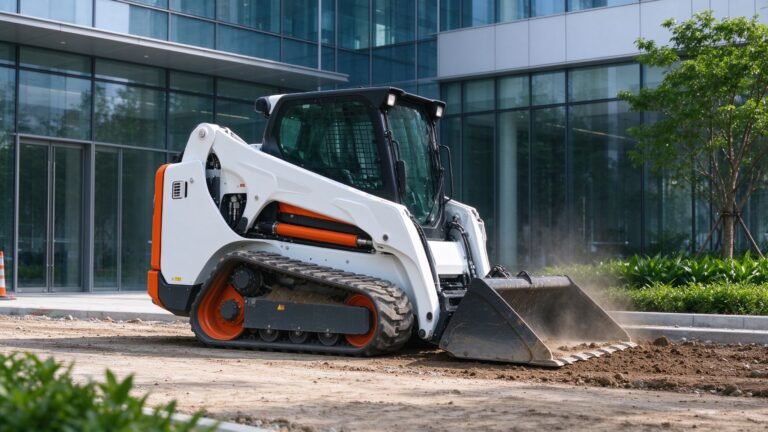
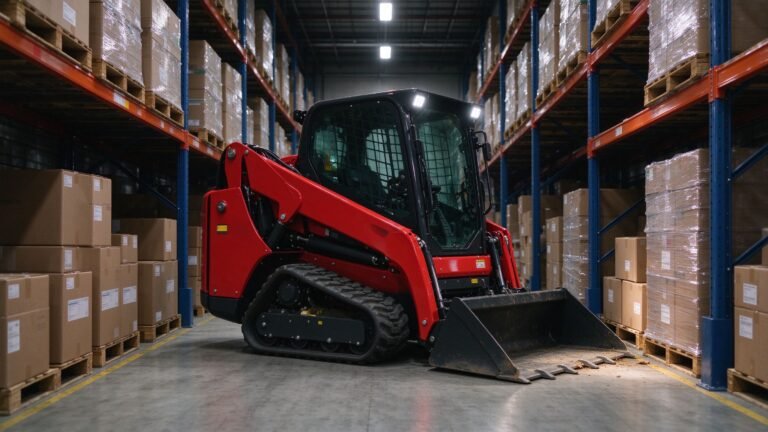
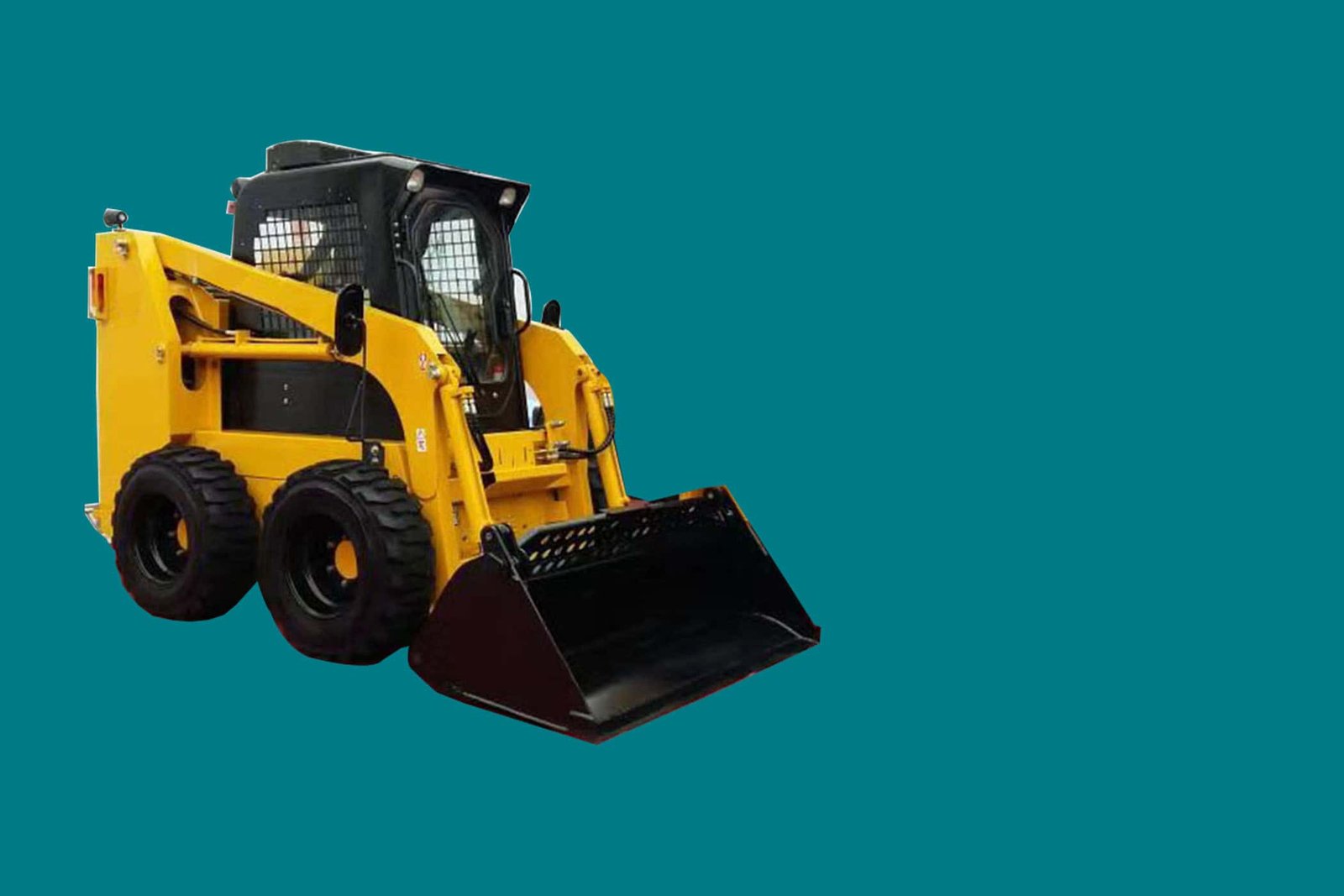
An enclosed cab skid steer loader adds a sealed cabin with glass doors and windows, sound insulation, and usually a heater and optional air conditioning. It is built around the same ROPS/FOPS frame as an open canopy, but wraps the operator in a controlled environment:
- Heat and A/C keep operators productive from -20°C to +45°C instead of losing hours to the weather
- Sealed doors block dust, mud, pollen and flying debris — a major plus on demolition, recycling and agricultural sites
- Acoustic insulation lowers in-cab noise by several decibels, reducing fatigue on long shifts
- Windows and mirrors give all-round visibility while protecting the operator from falling objects (FOPS) and rollover (ROPS)
Manufacturer data shows why this matters: Volvo’s C-series skid steer cabs, for example, offer roughly 27% more operator space than the previous generation while meeting ROPS/FOPS standards — space and insulation directly translate to longer effective workdays. If your operators run 8-hour shifts, the comfort difference between an enclosed cab skid steer loader and an open canopy is felt by the hour.
Open ROPS Canopy: When It Makes Sense
An open ROPS canopy is a roll-over protection frame with a roof, but no doors or windows. It costs less to buy and less to service, and it is the lighter, simpler machine. Independent machinery guides such as Machinery.org’s open canopy versus enclosed cab comparison summarize the practical tradeoffs well:
- Typical new skid steers with open canopies list $3,000-$6,000 below enclosed-cab equivalents
- Fewer glass, seal and HVAC components mean fewer failure points and cheaper repairs
- Lighter top structure lowers the center of gravity slightly and improves overhead clearance in low sheds
- Operators get direct airflow and easier verbal communication with ground crews
Open canopies suit warm, dry climates and intermittent use: a farm loader used a few hours a week, a rental yard machine on sunny sites, or a municipal loader on mild-weather duty. The tradeoff is real — in cold winters, dust storms or heavy rain, an open ROPS skid steer loader simply cannot work the same hours as an enclosed cab.

Price and Resale Value: The Numbers That Decide
The premium for an enclosed cab skid steer loader is not a sunk cost. HeavyDutyYard’s 2026 used skid steer price analysis shows that enclosed cabs with heat and A/C add roughly $3,000-$6,000 to resale value, while open-canopy machines trade at a 15-25% discount versus enclosed-cab equivalents — and in cold-climate regions a heated cab is now nearly non-negotiable for buyers. In other words:
| Factor | Open ROPS Canopy | Enclosed Cab |
|---|---|---|
| New purchase premium | Baseline | +$3,000 – $6,000 (typical) |
| Resale demand | Lower, climate-dependent | Higher, year-round buyers |
| Used price discount | 15-25% below cab equivalents | Full market value |
| Service cost | Simplest | Adds glass, seals, HVAC |
| Weather capability | Mild weather only | All-season |
When you budget a new machine, combine the cab premium with the current skid steer loader price landscape and the long-term operating cost per hour — a heated cab that keeps a $40-60/hour machine running through winter months pays for itself in a single season.
Safety: ROPS, FOPS and Visibility in Both Configurations
Both an open canopy and an enclosed cab skid steer loader must carry a certified ROPS (roll-over protective structure) frame, and most include FOPS (falling-object protective structure) roof coverage. The real safety differences:
- An enclosed cab adds protection against flying debris, dust and noise that an open canopy cannot offer
- Open canopies give slightly more direct, unobstructed sight lines in some angles, but expose operators to dust and weather that reduce concentration over a shift
- Enclosed cabs with windshield wipers, defroster and heated glass keep visibility clear in rain, frost and snow
- Operator-seat interlocks that disable hydraulics when the seat is empty are common on both, and worth confirming on any machine you buy
Reviewing the full skid steer safety tips checklist before purchase helps you verify ROPS certification, seat-belt condition and guarding on whatever configuration you choose.
Climate, Dust and Noise: Match the Cab to Your Work
There is no universal winner — there is only the right match for your climate and applications:
- Snow removal and municipal winter work: an enclosed cab with heat is effectively mandatory; operators will not stay productive in an open canopy at -15°C
- Demolition, recycling and gravel processing: dust suppression and sealed cabs protect lungs and keep control panels clean
- Landscaping and light construction in temperate zones: an open ROPS skid steer loader may be all you need, saving thousands
- Long-shift rental or contractor fleets: enclosed cabs improve operator retention and reduce downtime complaints
If you are still comparing machine classes, our how to choose a skid steer loader guide covers engine, capacity and hydraulics, while the complete buying guide walks through the full decision framework.
Factory Options on Xinfa Skid Steer Loaders
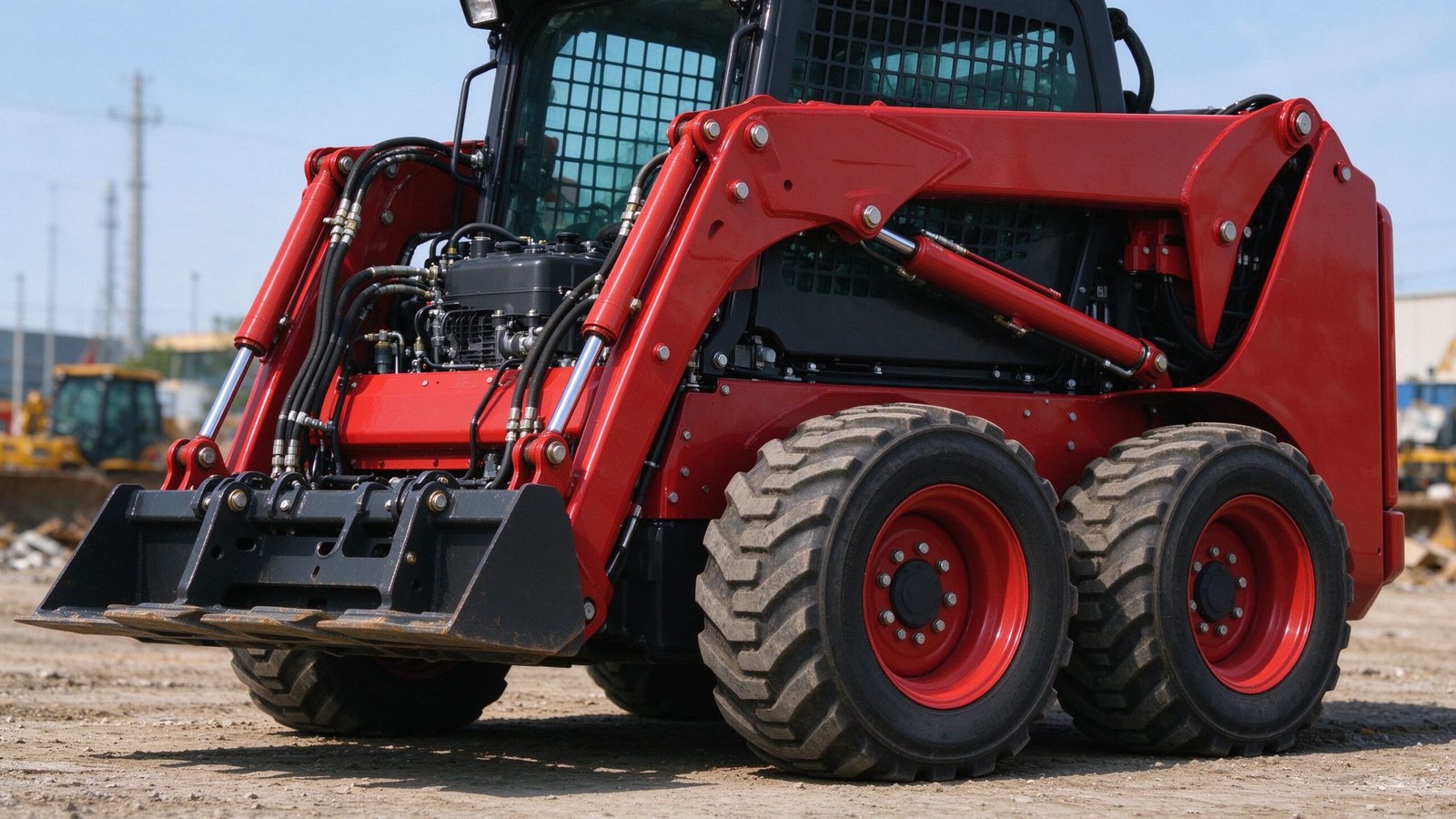
Shandong Xinfa Machinery (Xinfa) offers both configurations across its compact loader range so buyers can match the operator station to their market. The R390, R480, R490 and R750 skid steer loader models can be specified with an open ROPS canopy or an enclosed cab with heater and optional A/C, at factory-direct pricing that keeps the cab premium far below Western brand dealer markups. Xinfa’s export team helps buyers in Canada, Northern Europe, the Middle East and Australia choose the right cab spec for their climate before the machine is built — and documents the exact configuration on the packing list for customs and resale paperwork.
FAQ
How much more does an enclosed cab skid steer loader cost?
Typically $3,000-$6,000 more than the same model with an open ROPS canopy, depending on brand, heater and A/C options. Much of that premium is recovered at resale, since used buyers strongly prefer enclosed cabs.
Is an open ROPS skid steer loader safe?
Yes, when it has a certified ROPS frame, seat belt and proper guarding. It simply offers less protection from weather, dust and flying debris than an enclosed cab.
Should I buy an enclosed cab for warm climates?
Not necessarily. In hot, dry regions an open canopy is cheaper and lighter; if you choose an enclosed cab, make sure it has effective air conditioning and tinted or covered glass to manage heat.
Conclusion
Choosing between an enclosed cab skid steer loader and an open ROPS canopy comes down to your climate, shift length and budget. An enclosed cab costs more upfront but protects resale value, keeps operators productive year-round and is effectively required for winter and high-dust work. An open canopy is the lean, affordable choice for mild-weather, intermittent duty. Whichever you pick, verify ROPS certification, test visibility from the seat, and price the machine with both current loader pricing and future resale in mind — and if you are sourcing factory-direct, ask Xinfa to quote your preferred cab configuration alongside the base machine.