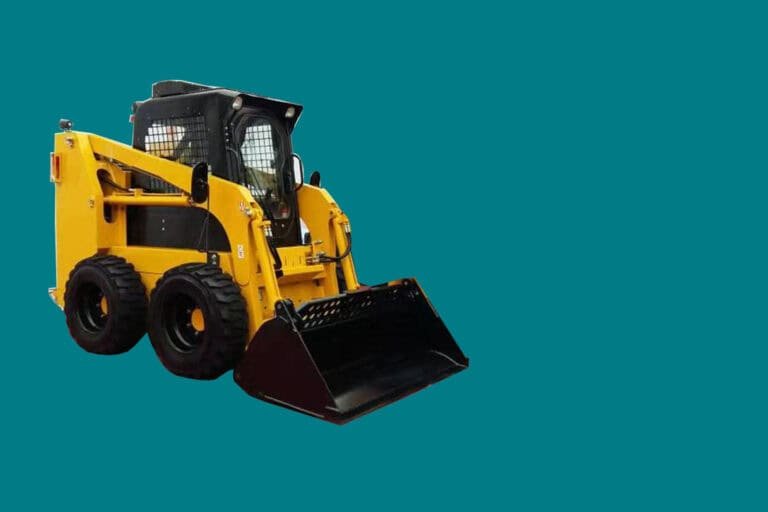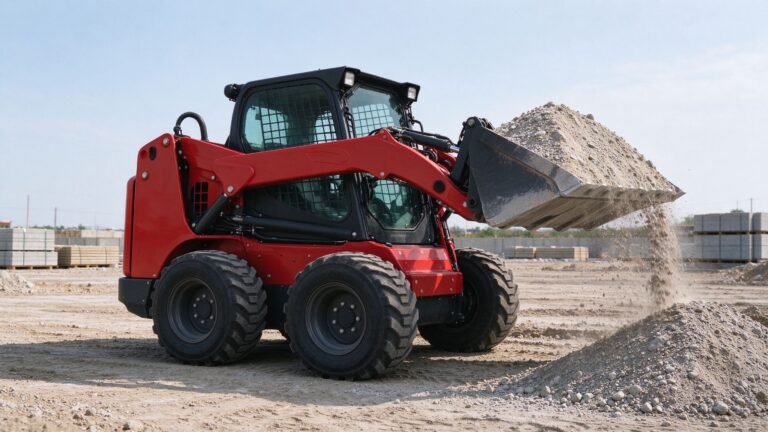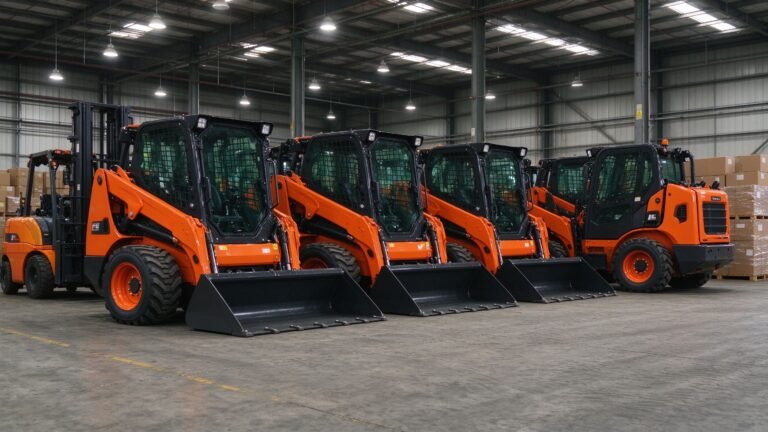
How to Transport a Skid Steer Loader: Trailer Sizes, Weight Limits & Safe Hauling
Transport a Skid Steer Loader: Plan Before You Haul
Whether you just bought a new machine, moving a skid steer loader between job sites, or returning a rental, every owner eventually faces the same question: how do you transport a skid steer loader legally and safely? A skid steer weighs several tons, and moving it on public roads without the right trailer, tie-downs and paperwork is both dangerous and expensive. This guide walks through machine weights, trailer sizing, loading procedure, legal limits and cost, so you can haul your loader with confidence — whether it is a used Bobcat from a local dealer or a new Xinfa machine shipped directly from the factory in China.
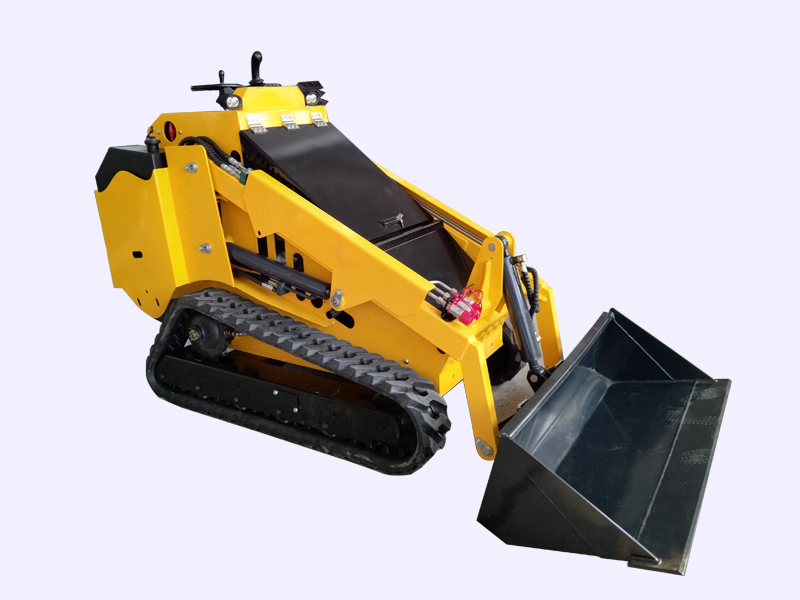
Know Your Machine’s Exact Transport Weight
The first rule of skid steer transport: never guess the weight. The number on the spec sheet is the machine’s operating weight, and that is the figure you need — not rated operating capacity, which is the load the machine can lift. Before you transport a skid steer loader on public roads, your real transport weight is higher once you add:
- Attachments fitted at transport time (a heavy bucket, pallet forks or an auger can add 300-800 lb / 136-363 kg)
- Full fuel tank, hydraulic oil, coolant and ballast
- Mud, snow or debris stuck to tires or tracks after a day of work
- Tie-down chains, binders and any deck equipment
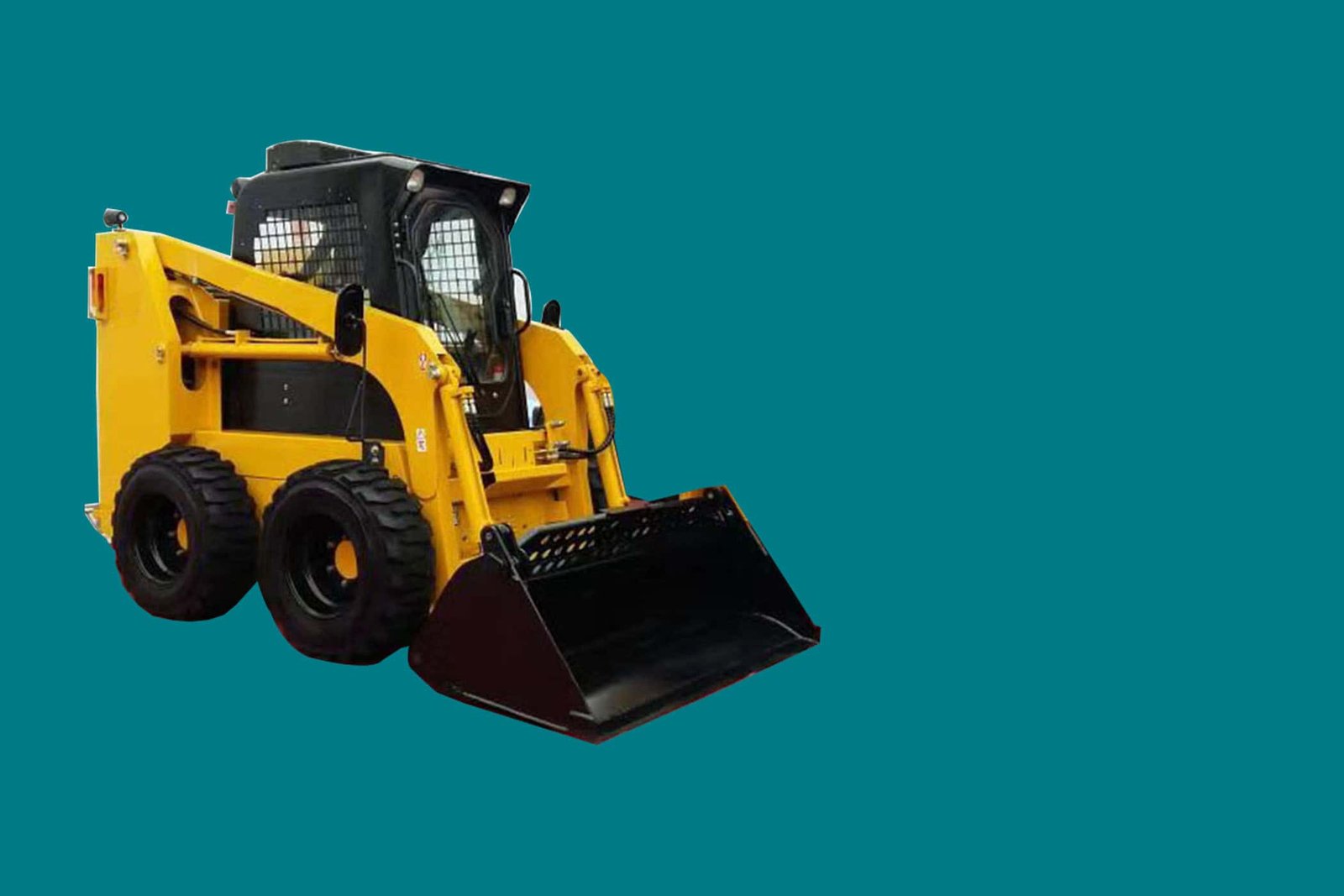
For reference, compact models such as the Xinfa R390 (9.9 kW R390 skid steer loader) come in around 1,400-1,600 kg, while larger units such as the R750 skid steer loader (18.6 kW) can reach roughly 2,300-2,600 kg depending on cab, tires and options. Always verify on the machine’s identification plate or operator’s manual — the exact number determines your trailer choice. Our detailed guide on skid steer weight by model covers typical figures across classes.
Choosing the Right Trailer Size to Transport a Skid Steer Loader
Once you know the loaded weight, select a trailer whose gross vehicle weight rating (GVWR) exceeds the machine plus everything on the deck. A common rule of thumb: pick a trailer rated at least 20% above your calculated transport weight.
| Trailer Type | Typical GVWR | Best For |
|---|---|---|
| Equipment flatbed trailer | 7,000 – 14,000 lb (3,175 – 6,350 kg) | Most standard skid steer loaders |
| Tilt-deck trailer | 10,000 – 16,000 lb (4,536 – 7,257 kg) | Easy loading without ramps |
| Gooseneck trailer | 14,000 – 30,000 lb (6,350 – 13,608 kg) | Heavy units and multi-machine hauling |
Check the trailer’s payload capacity, not just its overall GVWR — subtract the trailer’s own empty weight to find how much machine it can actually carry. If your loader weighs 3,000 kg and your trailer GVWR is 7,000 lb (3,175 kg), you are already at the limit before adding fuel and attachments. Trailer sizing guidance from equipment rental specialists (OK Trailer Rentals skid steer trailer size guide) follows the same rule: start with operating weight, add attachments, then size up. Don’t forget the rated operating capacity discussion when comparing machines for your business.
What Tow Vehicle Do You Need?
The truck must be able to stop and control the combination, not just pull it. The truck and trailer have to work together every time you transport a skid steer loader, so compare your truck’s GCWR (gross combined weight rating) against truck + trailer + machine + cargo. As a guideline:
- Compact skid steers (1,600 kg class) can often be towed by a 3/4-ton pickup (F-250/RAM 2500/Silverado 2500) with a suitable trailer
- Heavier units (2,500 kg and up) generally call for a 1-ton pickup or a medium-duty truck
- Never exceed the truck’s rated towing capacity or its hitch and brake specifications
Electric brake controllers, proper trailer brakes on all axles, and correctly loaded tongue weight (10-15% of total trailer weight) keep the combination stable at highway speed.
Loading the Skid Steer Onto the Trailer
Safe loading is a sequence, not a single step. The same sequence applies whether you transport a skid steer loader from a dealer lot, a rental yard or your own workshop:
- Park the trailer on firm, level ground and set the parking brake; chock the trailer wheels
- Use ramps rated for the machine’s weight; if the trailer has no ramps, use a tilt deck or loading dock
- Drive up slowly and straight, with the loader centered on the deck; on a tilt trailer, load in reverse so the heavy end sits forward
- Lower the bucket/attachment, shut off the engine, engage the parking brake and remove the key
- Install blocks or chocks around the tires/tracks and lower any stabilizers
A poorly loaded machine shifts weight to the hitch and makes the whole rig unstable — one of the most common causes of trailer accidents. If you are new to towing, our skid steer safety tips article covers operator-side precautions as well.
Tie-Down Points: Securing the Load
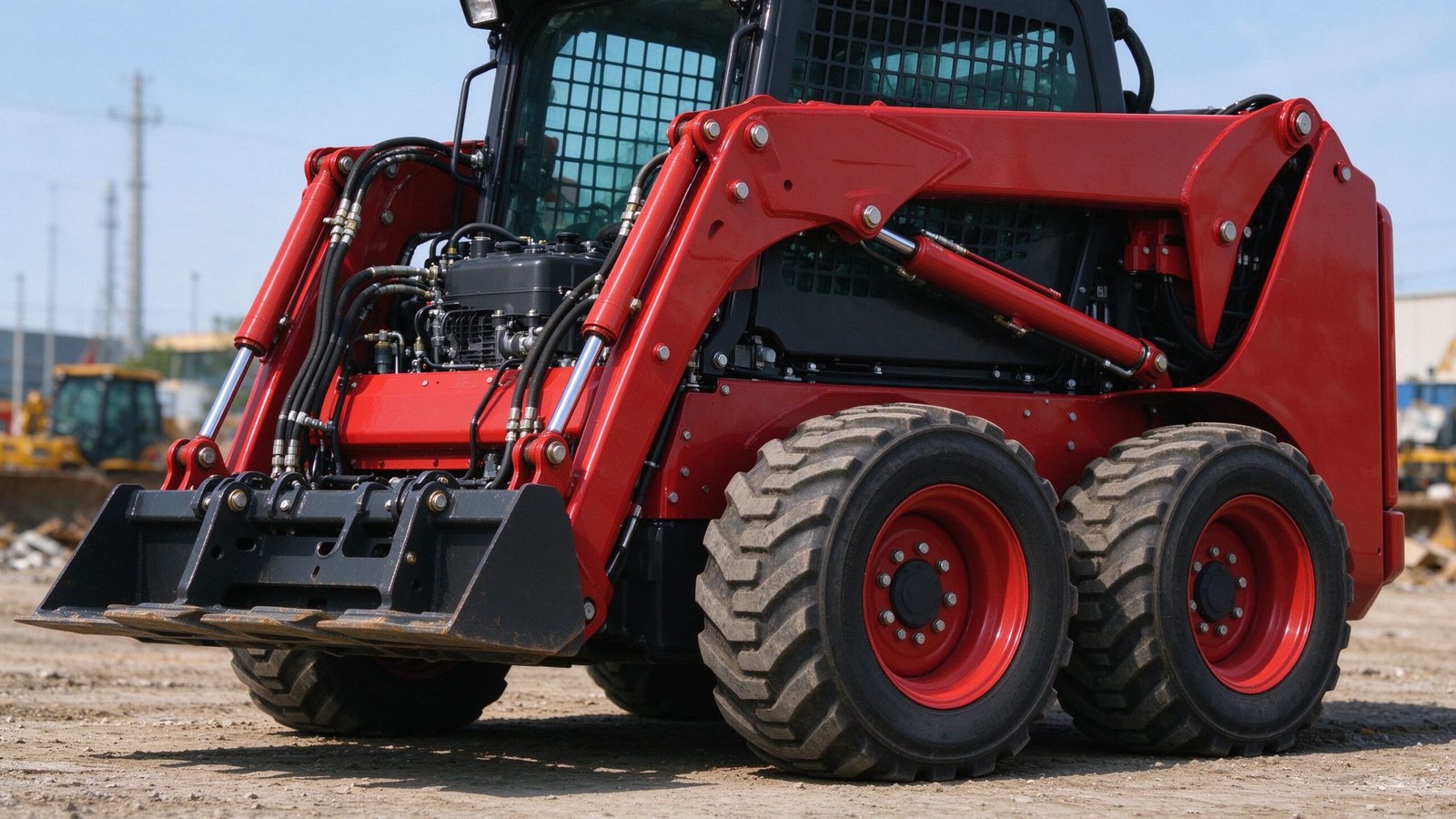
You need a minimum of four tie-downs — two at the front and two at the rear — attached in opposing directions (criss-cross pattern) so the machine cannot slide forward, backward or sideways. Correctly rated hardware is the core of any plan to transport a skid steer loader. Practical rules:
- Use chains or straps rated for at least the machine’s full weight; check the working load limit (WLL) printed on the hardware
- Anchor to the manufacturer’s designated tie-down points (often visible on the loader frame or boom), never to axles, hoses or thin brackets
- Apply tension so the loader sits firmly on the deck without bouncing; re-tighten after the first few kilometers
- Pad chains where they could rub painted surfaces or hydraulic lines
In the US, cargo securement is enforced by FMCSA rules: aggregate tie-down strength must be 1.5 times the weight of the cargo, and each tie-down’s working load limit counts toward that total. The complete machinery guide at Machinery.org walks through securement and loading compliance in detail. Checking your hydraulic system care before a long haul also prevents fluid leaks that would complicate the trip.
Legal Weight Limits, Width and Permits
Transporting a skid steer across state or national borders triggers legal limits you must respect. Canadian guidance on legal axle and gross weights (SkidSteerAttachments.ca transport guide) is a good cross-border reference:
- In most US states, vehicles and loads over 80,000 lb (36,287 kg) gross require special permits; a skid steer and trailer rarely hit that, but loaded commercial combinations over 10,000 lb may require a CDL depending on the state
- Keep total width within 8 ft 6 in (2.59 m); wider loads need oversize permits, flags and often escorts
- Check each state’s maximum single-axle and tandem-axle weights before route planning
- In Canada, provincial limits apply and some provinces require permits above 46,300 kg GVW
Always confirm the rules for every jurisdiction on your route — fines for overweight or unsecured loads are steep, and an accident caused by improper securement voids most insurance coverage.
Transport Costs and Pro Tips
If you are not towing yourself, professional hauling for a skid steer typically runs $2.50-$5.00 per loaded mile for short hauls, with a minimum charge for local moves; coast-to-coast flatbed shipping of a compact loader can range from $1,500-$3,500 depending on lanes and season. Tips that keep costs down:
- Compare quotes from at least three carriers and confirm insurance coverage
- Ship attachments separately or in the same load to save on multiple trips
- Book during off-peak seasons if your schedule is flexible
- For international buyers, combine ocean freight and inland trucking into one door-to-door quote — a service Xinfa’s export team routinely coordinates for customers worldwide
Buyers of used machines should also review used skid steer inspection checklists before finalizing any purchase, and current loader pricing to budget the full landed cost including transport.
Factory-Direct Buyers: Transport Ready From Xinfa
When you order a skid steer loader from Shandong Xinfa Machinery (Xinfa), transport planning starts at the factory. Every machine is prepared for shipment — fluids topped to safe levels, attachments secured, machine dimensions and weights documented on the packing list — so your freight forwarder can book the correct truck and trailer the day the unit clears customs. Xinfa’s export team provides the exact operating weights of its R390, R480, R490 and R750 models up front, plus guidance on flat-rack vs container loading for overseas buyers. That transparency means you arrange a carrier once, not after surprises at the port.
FAQ
What size trailer do I need for a skid steer?
The fastest way to transport a skid steer loader is on a 10,000-14,000 lb GVWR equipment trailer for most standard models; compact units under 2,000 kg can use a 7,000 lb trailer. Confirm your machine’s actual operating weight first, then add attachments, fuel and mud.
Can I tow a skid steer with a half-ton pickup?
Generally no. Most skid steers exceed the payload and GCWR limits of a half-ton truck when combined with a suitable trailer. A 3/4-ton or 1-ton pickup is the common safe choice.
Do I need a permit to haul a skid steer?
For routine moves under 80,000 lb GCW within width limits, permits are usually not required, but check each state’s axle-weight rules and CDL requirements. Oversize or overweight loads need permits, flags and escorts.
Conclusion
Transporting a skid steer loader comes down to three numbers: the machine’s true operating weight, the trailer’s payload rating and the truck’s towing capacity — plus four properly rated tie-downs and a route that respects local legal limits. Whether you transport a skid steer loader yourself or hire a carrier, get those right and a multi-ton loader moves like any other piece of equipment; get them wrong and you risk fines, damage and a serious roadside accident. Whether you haul a used machine you just bought locally or a new Xinfa loader arriving from overseas, plan the transport the same way you planned the purchase: with verified numbers, rated equipment and a little time spent double-checking the load before the first mile.