Ultimate Skid Steer Loader Uses Across Industries
Ultimate Skid Steer Loader Uses Across Industries
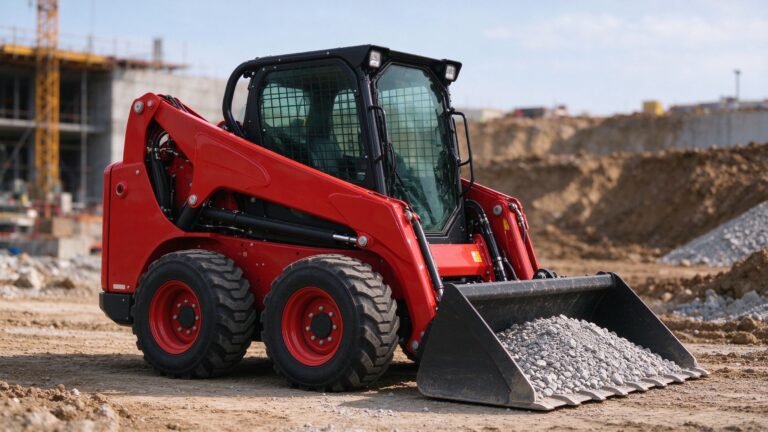
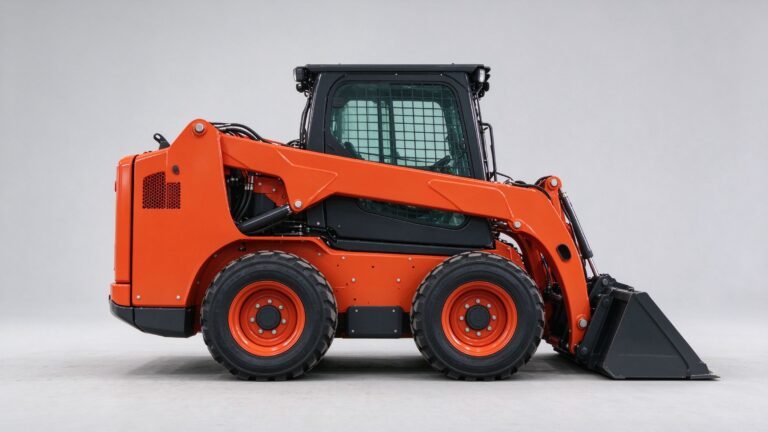
Few machines are as flexible as the compact skid steer. With the right attachment, the same base unit can dig, lift, sweep, mow, drill, break, and haul. Below, we walk through the most common skid steer loader uses, grouped by industry, and name the attachment that makes each job possible.
Why a Skid Steer Replaces Multiple Machines
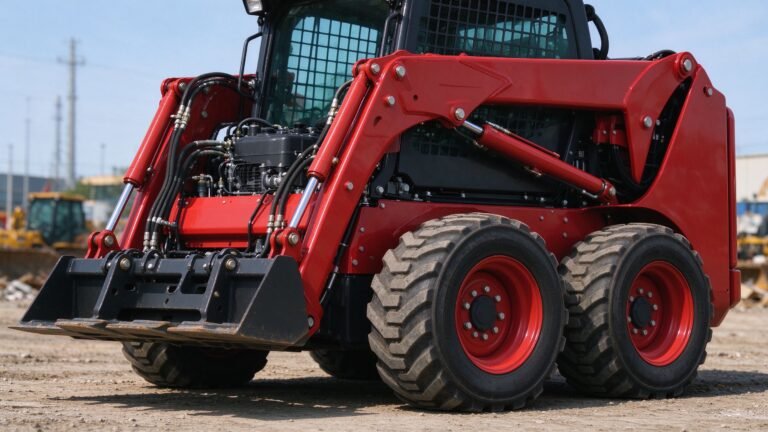
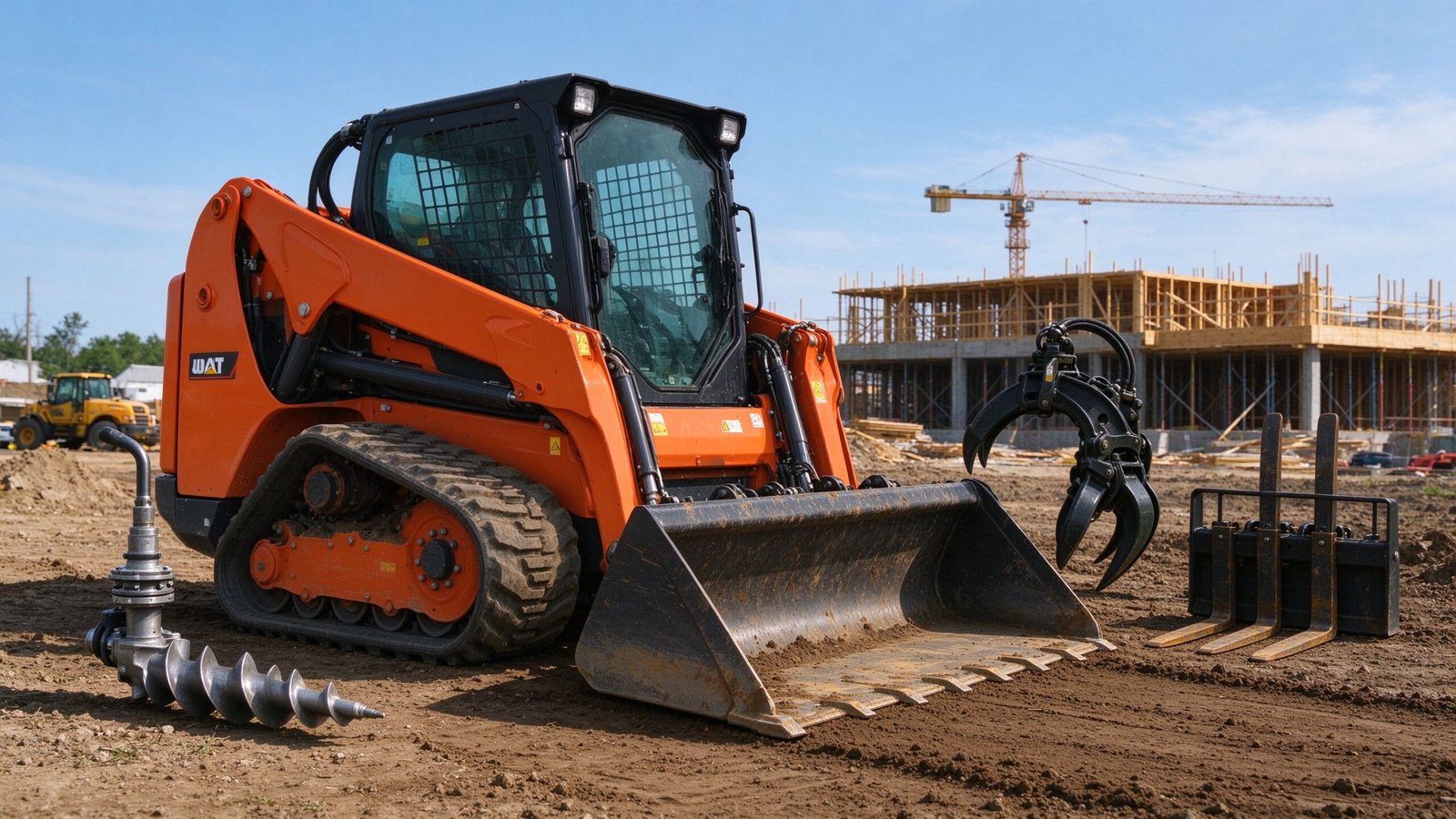
The reason skid steer loader uses are so broad is the quick-coupler system. One compact chassis, one operator, and a swap in under five minutes turn the machine into a different tool. Before you read further, it helps to understand the basics: see our guide on what a skid steer loader is and how the hydraulic and steering system works.
Construction and Site Prep
1. Digging and trenching
A general-purpose or trenching bucket turns the skid steer into a compact digger for footings, utility trenches, and small excavations.
2. Loading trucks and hoppers
With a vertical-lift path, the machine piles gravel, sand, and topsoil into dump trucks quickly on tight urban lots.
3. Site clearing and grubbing
A grapple attachment grips logs, rocks, and demolition debris that a smooth bucket would drop.
4. Concrete and pavement breaking
A hydraulic breaker turns the skid steer into a demolition tool for old sidewalks, foundations, and frozen ground.
Landscaping and Grounds Care
5. Grading and leveling soil
A grading bar or bucket edge smooths lawns, driveways, and sports fields. The skid steer for landscaping playbook covers this in detail.
6. Sod removal and topsoil stripping
A smooth blade or bucket peels off old sod before reseeding or hardscaping.
7. Tree and shrub planting
An auger attachment drills tree-planting and fence-post holes in seconds.
8. Material spreading
Spread mulch, gravel, or topsoil with a bucket or a dedicated spreader box.
Agriculture and Livestock
9. Barn cleaning and manure scraping
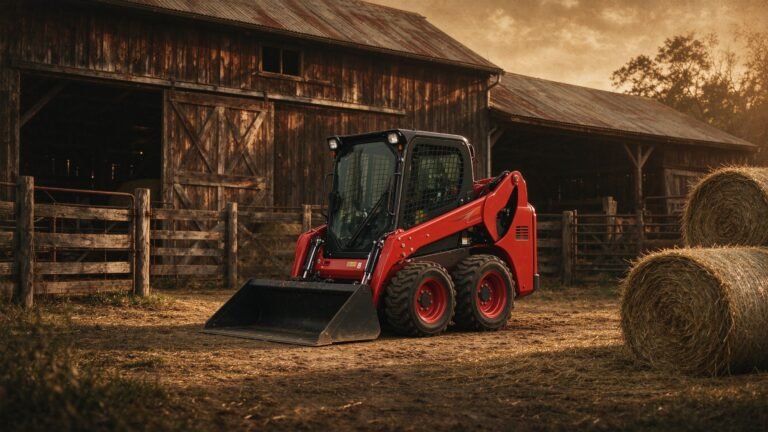
A box scraper or bucket keeps barn aisles and feed pads clean. The compact size fits through barn doors.
10. Feeding and bedding
Forks or a bucket move hay bales, silage, and straw around yards and barns.
11. Fence building and repair
A post-hole digger drills fence lines fast; a grapple pulls out old posts. For more, see skid steer post hole digger.
Material Handling and Warehousing
12. Pallet moving
Pallet forks turn the skid steer into a rough-terrain forklift in yards and warehouses. The full workflow is covered in skid steer for material handling.
13. Bulk material stacking
A bucket or a 4-in-1 bucket stacks aggregates, feed, and recycled material.
Municipal and Winter Work
14. Street and parking-lot sweeping
A broom attachment cleans debris, leaves, and wet sludge from pavements.
15. Snow removal
A plow, pusher, or snow blower attachment clears parking lots, sidewalks, and driveways all winter. Commercial snow is one of the fastest ways to turn a skid steer into year-round revenue.
Demolition and Recycling
16. Interior demolition
An electric skid steer is the star here: zero exhaust lets it work inside basements and occupied buildings. The electric mini skid steer loader is sized for doorways and hallways.
17. Sorting and loading scrap
A scrap grapple sorts metal, wood, and construction waste for recycling.
Choosing the Machine That Matches Your Uses
The most common buyer mistake is choosing a skid steer based on one task and then discovering it cannot power the attachments they actually need. Match engine power, auxiliary hydraulic flow, and rated operating capacity to your heaviest planned attachment. For example, the Xinfa R750 is rated for a 400 kg operating capacity with a 0.15 m³ bucket and up to 18.4 kW-class diesel power, while the narrower X360 (300 kg capacity, about 980 mm wide) suits tight gates and indoor work. Compare the full lineup in the buying guide and size classes in our note on skid steer loader sizes.
How to Size a Machine Around Your Task List
Before buying, rank the jobs above by frequency. The tasks you do every week, not the one-off projects, should dictate the machine’s power and lift capacity. If most days involve light sweeping and moving pallets, a smaller, more maneuverable compact saves fuel and yard damage. If several days a week involve a breaker or a heavy auger, step up engine power and auxiliary flow rather than regretting it later.
Also think about growth. The attachments you buy in year two may be heavier than the ones you start with. Leaving headroom in rated capacity costs a little more upfront but prevents an early trade-in. Many owners find that once the machine arrives, new uses appear that were never in the original plan — from winter snow clearing to helping neighbors. That flexibility is the real value of the platform.
One Machine, Many Seasons
Many owners are surprised by how often the machine earns its keep outside the original plan. A landscaping crew that bought it for grading may find it equally useful hauling brush in the fall and pushing snow in January. That seasonal flexibility is what makes the platform so cost-effective: instead of buying a dedicated tool for each quiet month, one compact loader steps into the gap. Before purchasing, ask yourself which slow seasons you could fill with an extra attachment.
Frequently Asked Questions About Skid Steer Loader Uses
What are the most common skid steer loader uses?
The most frequent skid steer loader uses are digging, loading, grading, and material handling. Beyond those core skid steer loader uses, the right attachment lets one skid steer loader sweep, blow snow, drill holes, or break concrete.
Can one skid steer loader handle all these skid steer loader uses?
Yes. The same skid steer loader that digs on Monday can clear snow on Friday after a quick attachment swap. That is why skid steer loader uses keep expanding across landscaping, farming, and municipal work.
What attachments unlock new skid steer loader uses?
An auger, grapple, broom, or breaker each opens a new set of skid steer loader uses. For industry data on compact equipment adoption, see the Association of Equipment Manufacturers.
Start with Xinfa
The list above shows why skid steer loader uses keep growing: one machine, dozens of tools. As a factory-direct Chinese manufacturer, Shandong Xinfa Machinery Co., Ltd. builds compact wheeled and electric skid steers engineered to accept standard quick-attach tools, so you are not locked into a proprietary attachment system. Every Xinfa loader ships with CE, EPA, EURO 5, and ISO certifications depending on model. Ready to pick the base machine that matches your job list? Visit Xinfa skid steer loaders at xinfaloader.com, review the X360, X460, R480, R750, and R490, and ask the factory team which model fits your most demanding attachment.