Skid Steer Safety Tips: Essential Operator Rules
Skid Steer Safety Tips: The Essential Operator Rules
Skid steer safety tips are not optional reading. Compact loaders are powerful, compact, and surrounded by blind spots. A moment of inattention causes tip-overs, crush injuries, and struck-by incidents. These skid steer safety tips cover the rules every operator should follow before the engine starts and long after the shift begins.
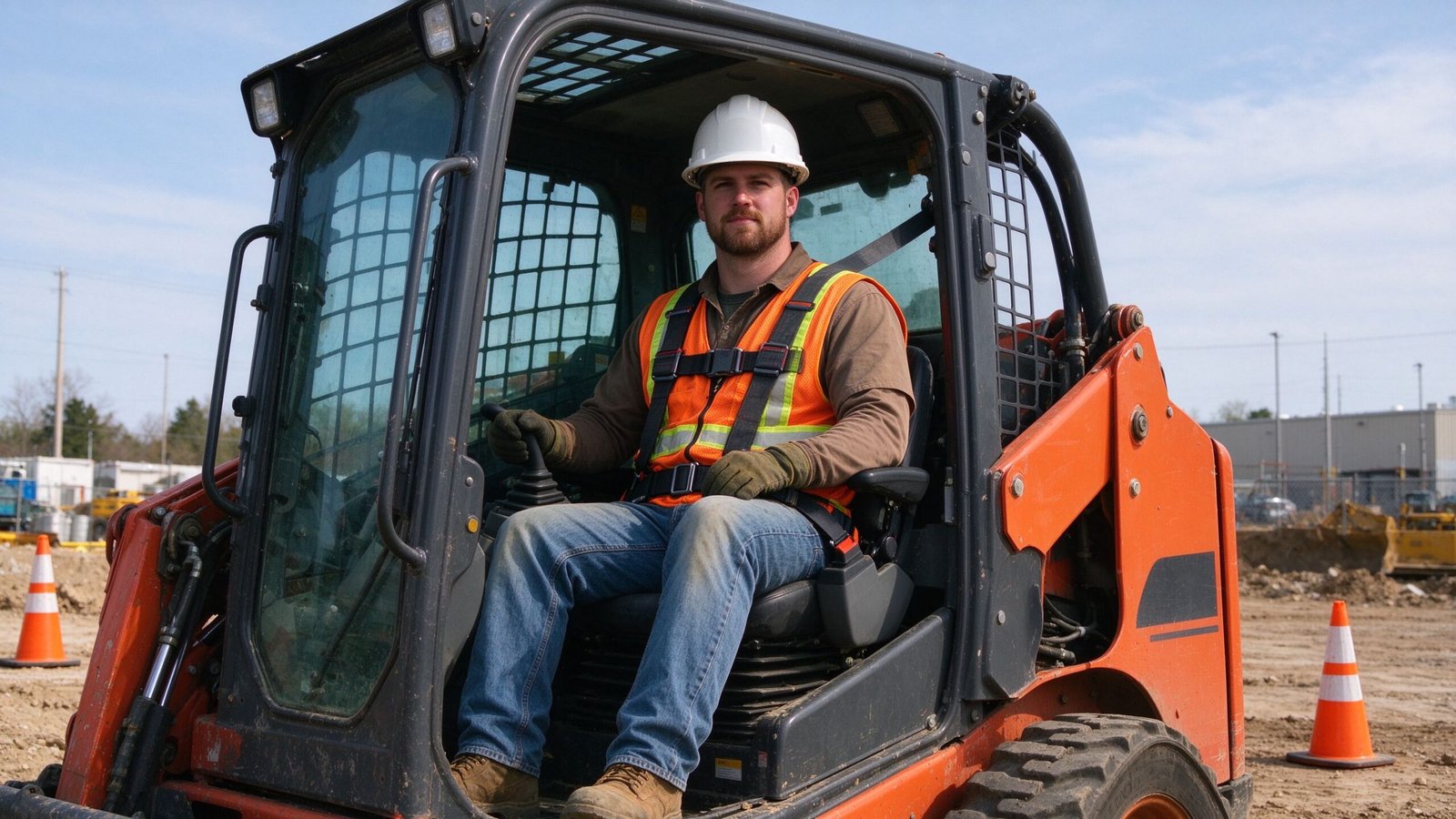
Essential Skid Steer Safety Tips Before You Start
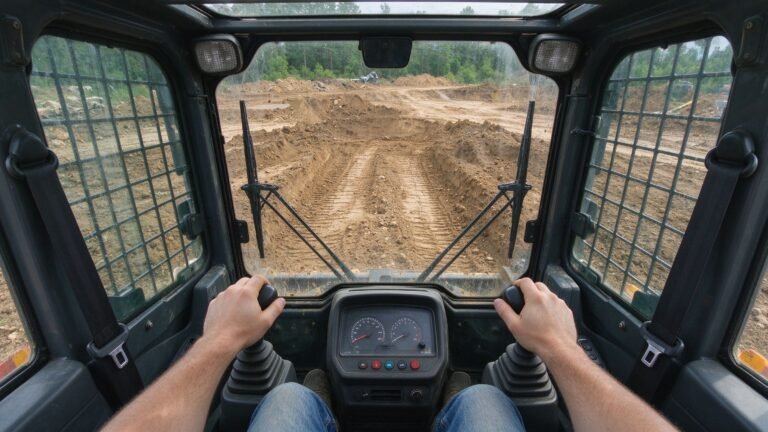
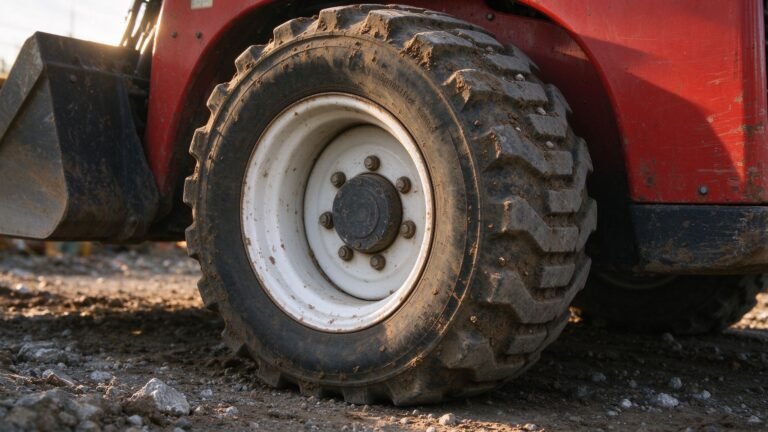
Walk around the machine. Check tires or tracks, hydraulic leaks, damage, and the condition of the bucket or attachment. Confirm ROPS and FOPS structures are intact and not modified. Test horn, lights, and seatbelt before you move.
A clean cab is a safe cab. Remove tools and debris from the floor so pedals operate freely. For the full routine, follow our skid steer maintenance tips checklist.
Buckle Up, Every Time
Seatbelts save operators during tip-overs. Many serious injuries happen when an operator is thrown sideways or tries to jump from the cab. If the machine rolls, stay inside with the belt on. ROPS is designed to protect you inside the seat, not outside it.
Never modify or bypass the seat-interlock system that cuts hydraulics when no one is seated. Those interlocks exist to stop an unattended machine from lurching.
Respect Rated Capacity
Overloading is a leading cause of tip-overs. Know your machine’s rated operating capacity and stay under it. Remember that the attachment itself weighs into the limit. Lifting a load high shifts the center of gravity and further reduces stability.
Understand the number fully in our guide to rated operating capacity skid steer.
Blind Spots and Bystanders
Skid steers have major blind spots. Before moving, confirm no one is behind, beside, or under the raised lift arms. Use spotters when working near people. Keep bystanders at a safe distance; never allow riders on the machine, the bucket, or the forks.
Sound the horn before moving and before turning. Treat the machine as not visible, not seen, and make eye contact with ground workers before you roll.
Travel With the Load Low
Carry buckets and forks 15 to 30 cm off the ground, tilted back. A high load blocks forward visibility and raises the center of gravity. Lower the arms when driving across uneven ground or slopes, and never travel with arms fully raised.
Slopes and Uneven Ground
Operate up and down slopes, not across them. Turning on a slope risks tipping. Slow down on wet, icy, or muddy ground. Watch for soft spots, holes, and buried debris that can trap a tire or bounce the load unexpectedly.
Overhead and Underground Hazards
Raised lift arms near power lines are fatal. Maintain clearance, and never raise the boom near overhead lines. Underground, know where utilities run before you dig or drive stakes. Call for locates before trenching, and never assume a plan is accurate.
Mounting, Dismounting, and Lockout
Use three points of contact when climbing in and out. Lower the bucket to the ground, set the parking brake, and shut down before dismounting. Never exit with the arms raised. When leaving the machine, lower all attachments fully to the ground and never leave a suspended load in the air.
Hydraulics and Attachment Safety
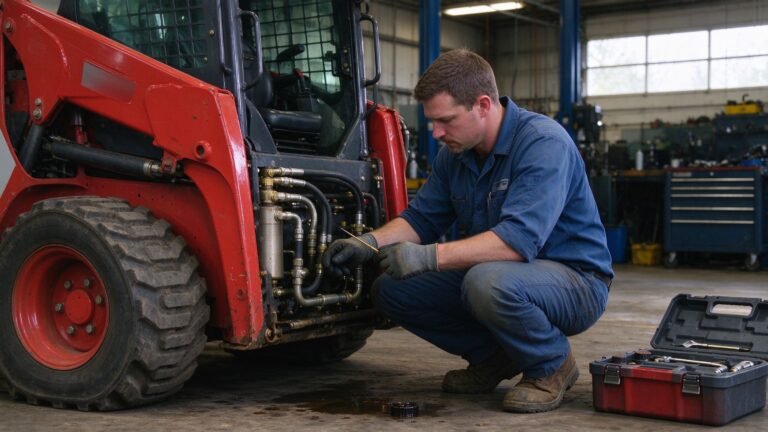
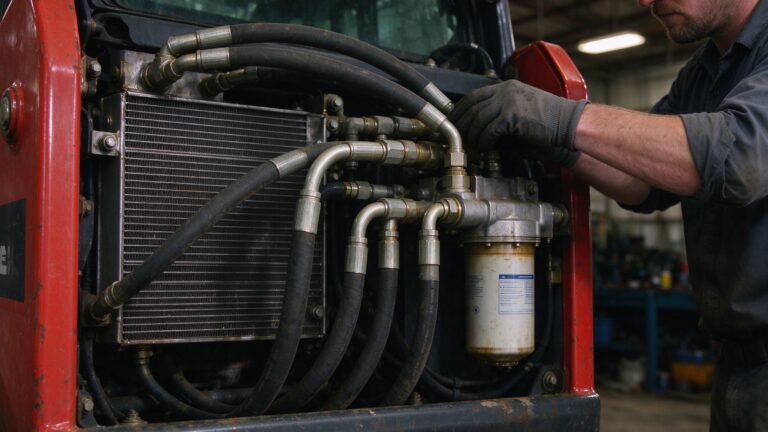
Relieve pressure before disconnecting attachments. Bleed lines safely, and never work under a raised arm without proper support. High-pressure hydraulic injection is a serious injury that needs immediate medical care. Maintain the hydraulic system per our skid steer hydraulic system care guide.
Training and Common Sense
New operators should train on a closed site before real work. Review how to operate a skid steer before the first shift. Fatigue, phones, and rushing cause most accidents. Stop when tired.
Common Mistakes That Cause Incidents
The most frequent incidents share a few patterns. Operators carry loads high and lose visibility. They turn on slopes and tip sideways. They leave the cab with the arms raised. They ride with bystanders on the bucket. They forget to look behind before backing up. Each mistake is avoidable with a simple checklist run before every shift.
Run a pre-shift walk-around: tires, leaks, attachments, seatbelt, horn, lights. Run a pre-lift check: know the load weight, the path, and the people around you. These two rituals prevent the majority of compact-loader accidents, and they take less than five minutes.
Never modify safety systems. Do not remove the seat belt, bypass the seat interlock, or alter the ROPS. Do not let passengers ride, and never use the bucket as a man lift. These shortcuts cause serious injuries, and they void the protection the machine was engineered to provide.
Hold a short toolbox talk before each season: review blind spots, load limits, and the day’s hazards. A few minutes of reminders every winter and spring prevents most incidents before they start, and it keeps safety top of mind all season long.
Finally, report near-misses. When a load nearly tipped or an operator nearly backed into a vehicle, discuss it openly. Those close calls are free lessons, and a crew that talks about them is a crew that avoids the real accident later. Safe operators build safe businesses, and those are the crews clients hire year after year.
Frequently Asked Questions on Skid Steer Safety Tips
What skid steer safety tips matter most for a new operator? Buckle the seatbelt, respect rated capacity, and keep bystanders clear; these skid steer safety tips prevent the majority of compact-loader incidents before they start.
Where can operators find official skid steer safety tips? Start with OSHA guidance on heavy equipment and NIOSH resources on worksite health. The best skid steer safety tips become habits: pre-shift walk-around, low travel loads, and no passengers on the bucket. Review these skid steer safety tips every season, because skid steer safety tips only protect operators who actually follow them on the job.
Build a safety-first fleet. Visit Xinfa to choose compact loaders built with ROPS, seat interlocks, and certified construction. Every Xinfa skid steer loader ships factory-direct with CE, EPA, EURO 5, and ISO certification, supporting the skid steer safety tips that protect your crew every day.