Skid Steer Operating Cost per Hour Explained
Before you buy any compact loader, one number matters more than the sticker price: the skid steer operating cost per hour. Fuel, maintenance, tires, depreciation and labor add up fast, and two machines with the same purchase price can differ by several dollars an hour once they start working. For contractors, farmers and rental operators, that hourly figure is what separates a profitable machine from a money pit.
This guide breaks down the real skid steer operating cost per hour — what each component costs, how it changes with machine size and age, and how to cut the number without buying a weaker loader. We also show why factory-direct machines from Shandong Xinfa Machinery (xinfaloader.com) keep hourly running costs low for buyers around the world.
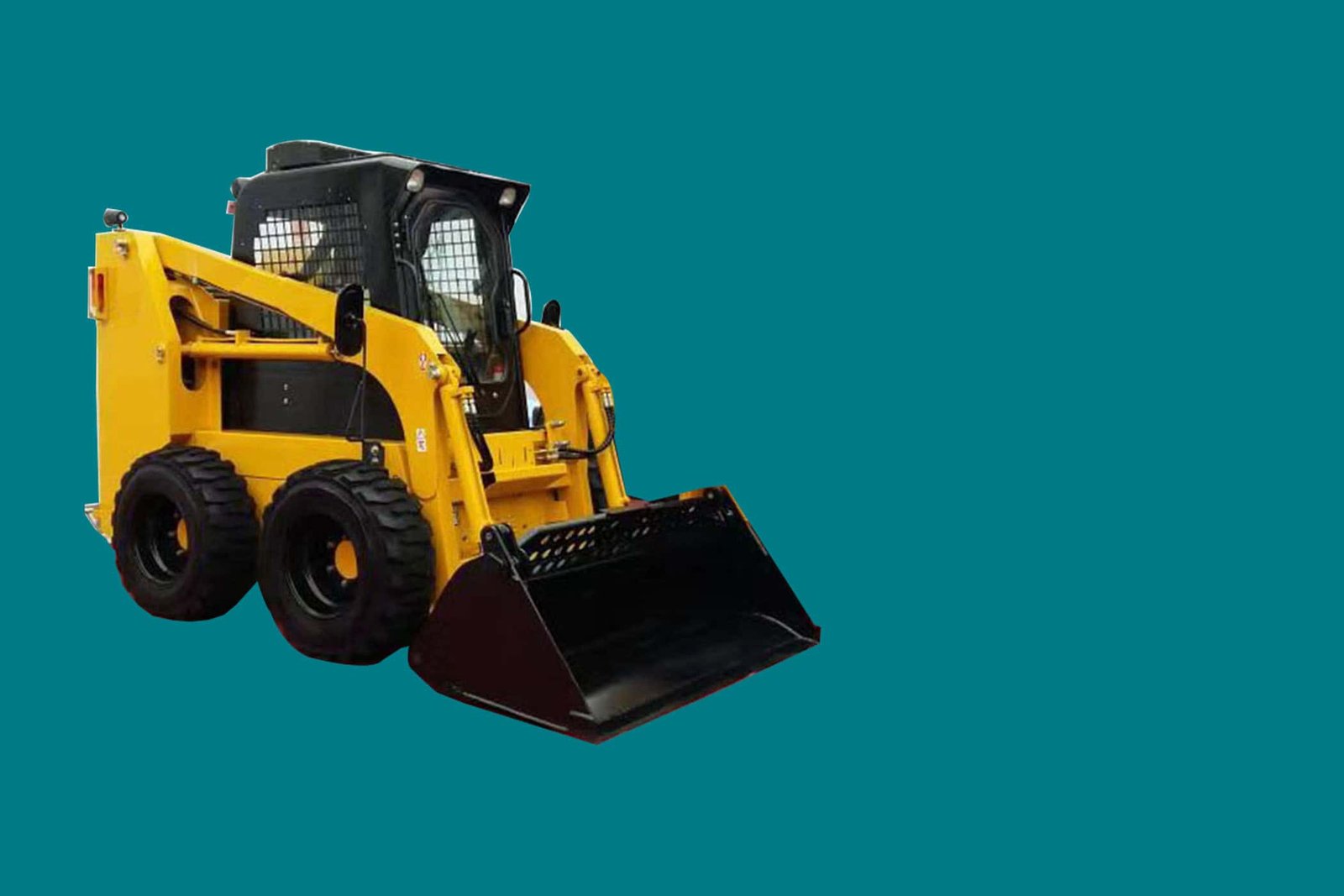
Why Hourly Operating Cost Matters Before You Buy
The purchase price is paid once; the operating cost is paid every hour the machine runs. A skid steer loader that works 1,000 hours a year can easily consume thousands of dollars in fuel and maintenance alone. Rental businesses quote by the hour, contractors bid by the hour, and farmers budget by the season — so knowing your likely skid steer operating cost per hour lets you price jobs correctly and choose the right machine size in the first place.
For a full frame-by-frame guide to sizing, read our skid steer loader buying guide before you compare price quotes.
What Makes Up the Skid Steer Operating Cost per Hour
The hourly figure is really five costs added together. Here is what each one means in practice.
Fuel and Diesel Consumption
Fuel is usually the biggest single line item. A compact skid steer burns roughly 2.5 to 4.5 gallons (9 to 17 litres) of diesel per hour under normal working loads, depending on engine power and how hard the machine is pushed. At a typical diesel price, that works out to roughly $8–$16 per hour. Smaller machines and lighter work sit at the low end; high-flow attachments and heavy pushing sit at the top. For a deeper look at how engines burn fuel, see our guide to skid steer fuel consumption.
Maintenance and Service
Routine service — engine oil, hydraulic oil, filters, grease and fluids — typically runs $2–$5 per hour on top of fuel. Major services and repairs average out over the machine’s life; a well-kept loader needs most of its attention between 500 and 1,000 hours. Following a fixed skid steer maintenance schedule is the single cheapest way to hold this number down, and caring for the hydraulic system protects the most expensive components on the machine.
Tires and Tracks
Tires wear out and they are not cheap. A set of skid steer tires can cost $800–$2,500 depending on size and ply, and typical life ranges from 1,000 to 3,000 hours depending on surface and how aggressively the operator turns. Tracks cost more but last longer. Spread over working hours, tires and tracks add roughly $0.50–$2 per hour. Keep pressures right and rotation even — our skid steer tire care guide covers the basics.
Depreciation and Resale Value
Every loader loses value as it works. Depreciation is the difference between what you pay and what you can sell it for later, divided by the hours in between. New machines depreciate faster in the first years; good used machines hold value well. A realistic allowance is $2–$6 per hour depending on the machine and market. New versus used changes this picture significantly — compare the trade-offs in our new vs used skid steer loader guide.
Labor and Operator Time
Even when you operate the machine yourself, your time has a value. At $20–$40 per hour of labor, this is often the biggest cost of all — which is why a faster, more productive machine can be cheaper to run even if its fuel bill is higher. Productivity per hour should always be part of your operating cost math.
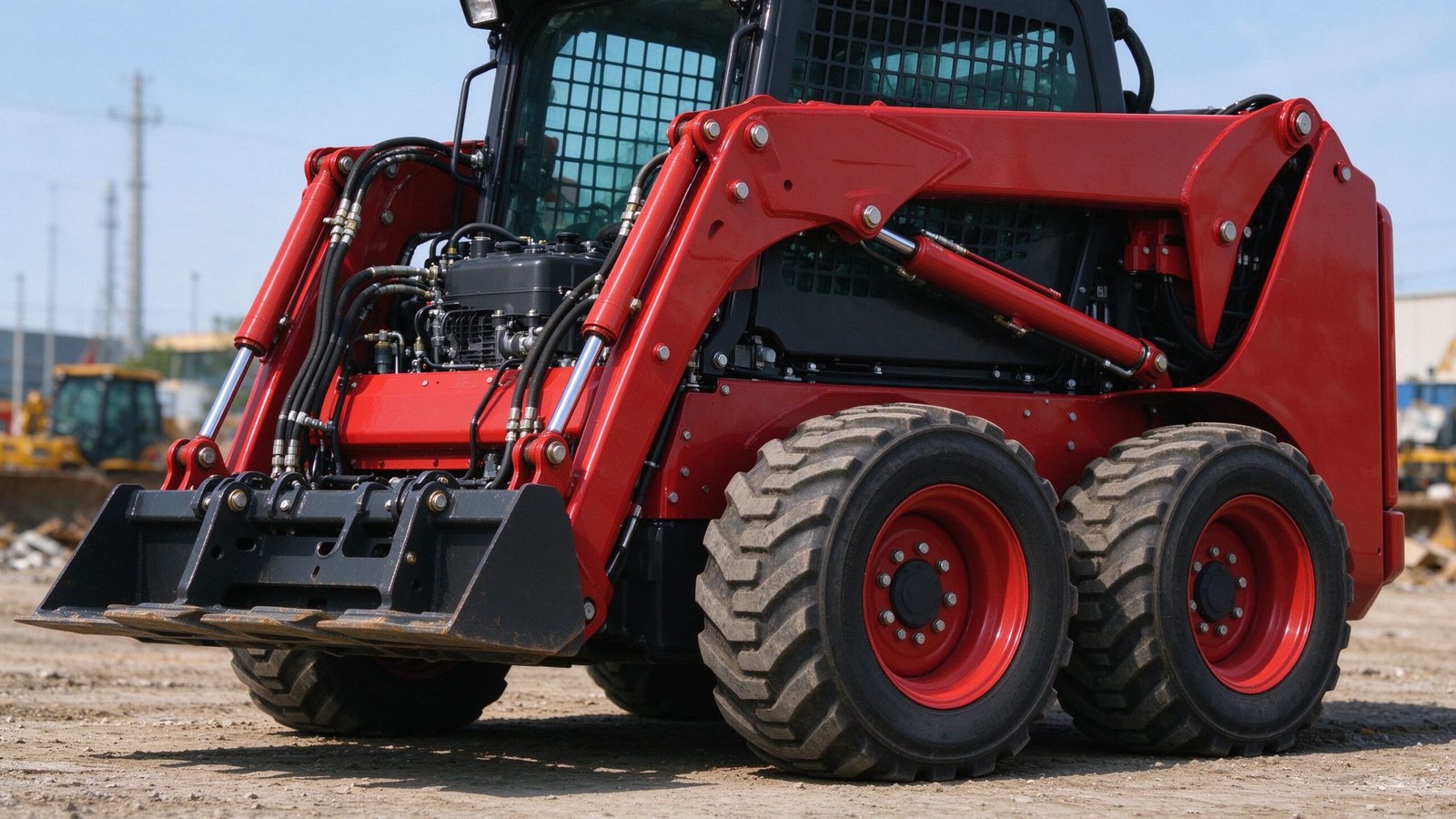
Average Skid Steer Operating Cost per Hour
Putting the five categories together, a realistic average skid steer operating cost per hour for a small to mid-size machine looks like this:
| Cost Component | Typical Cost per Hour |
|---|---|
| Diesel fuel | $8 – $16 |
| Maintenance & service | $2 – $5 |
| Tires or tracks | $0.50 – $2 |
| Depreciation | $2 – $6 |
| Total (excluding labor) | $12.50 – $29 |
These figures match market references such as Machinery Trader and independent reviews like Skid Steer Loader. Add operator labor and the real figure lands near $35–$65 per hour for an owned, operated machine. Rental quotes of $60–$100 per hour make sense once you include the rental company’s overhead and profit. If your local fuel, tire or labor prices differ, plug your own numbers into these ranges — the structure is the same everywhere.
New vs Used: How It Changes Your Operating Cost
Whatever you choose, remember that hourly operating costs and total cost of ownership decide whether the machine earns its keep. A used machine costs less to buy, which shrinks the depreciation line — but it usually raises maintenance, because parts, hoses, seals and fluids have more wear. A new machine carries higher depreciation yet runs with lower maintenance in the first 1,000–2,000 hours. For a part-time user, a well-maintained used loader often has the lower total skid steer operating cost per hour; for daily commercial use, a new machine with a warranty is usually cheaper in the long run. Always inspect a used machine properly before buying — our used skid steer inspection guide gives you the checklist.
How to Lower Your Skid Steer Operating Cost per Hour
- Follow the manufacturer’s service intervals — missed oil changes are the #1 cause of expensive engine and hydraulic repairs.
- Match the machine to the job. A loader that is too big burns fuel you do not need; one that is too small works longer, wearing tires and components faster.
- Choose the right tire or track for your surface — turf tires on pavement, aggressive treads in mud.
- Buy factory-direct. Cutting out the dealer margin lowers your purchase price, which lowers your depreciation per hour from day one.
- Consider an electric model for indoor or light duty. Compare the whole picture in our electric vs diesel skid steer guide before you decide.
Why Xinfa R-Series Loaders Keep Operating Costs Down
At Shandong Xinfa Machinery, we design the R-series compact loaders around the cost-per-hour question. The R480 skid steer loader pairs an efficient Yanmar diesel with proven hydraulics for dependable daily work; the R490 adds power for heavier attachments; and the R750 skid steer loader gives you the heaviest frame and strongest breakout in the range, with low-speed high-torque performance that keeps fuel burn down under load.
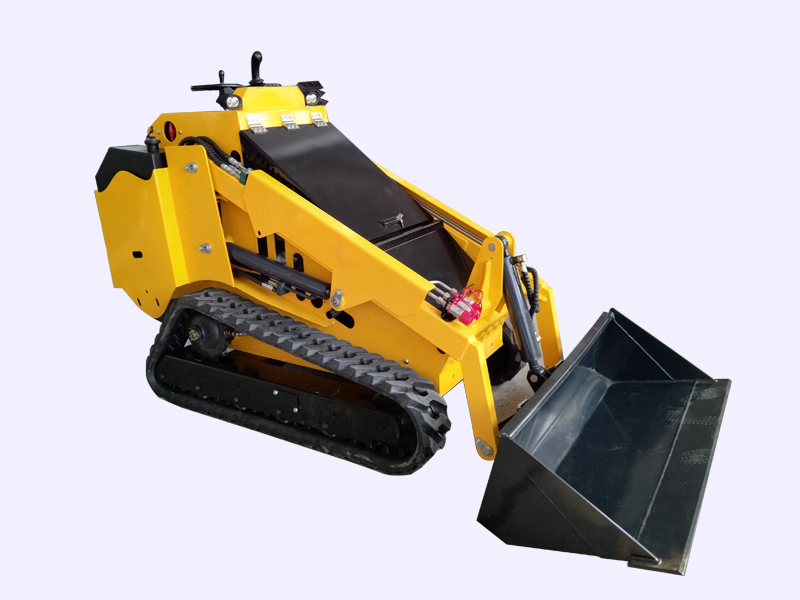
Every Xinfa loader ships with clear specifications, worldwide support and factory-direct pricing — so your depreciation per hour starts lower, your maintenance plan is documented, and your skid steer operating cost per hour stays predictable. Tell us your jobs and we will match the machine size to your workload.
FAQ
How much does it cost to run a skid steer per hour?
Excluding labor, a realistic skid steer operating cost per hour is $12.50–$29 for fuel, maintenance, tires and depreciation. With an operator, the total is usually $35–$65 per hour.
Is a skid steer expensive to maintain?
Routine maintenance runs about $2–$5 per hour if you follow the service schedule. Skipped maintenance is what makes them expensive — a failed hydraulic pump or engine costs far more than the oil changes you skipped.
What is cheaper per hour, a skid steer or a compact tractor?
A compact tractor is often slightly cheaper per hour on fuel and tires, but it is slower for loading and material handling work. If your jobs are mostly loading and attachment work, the skid steer’s productivity usually wins the cost-per-job comparison.
Do diesel or electric skid steers cost less per hour?
Electric models have lower fuel and maintenance costs per hour but a higher purchase price, so they pay off fastest in indoor, light-duty or high-hour applications. Diesel remains the lower-cost choice for heavy outdoor work for now.
Bottom line: the skid steer operating cost per hour is the real price of ownership. Budget for fuel, maintenance, tires, depreciation and labor before you buy, keep the machine on schedule, and choose a factory-direct machine with transparent specs. Shandong Xinfa Machinery has been exporting compact loaders and attachments worldwide since day one — our R-series loaders are built to keep your hourly costs low and your jobs profitable.